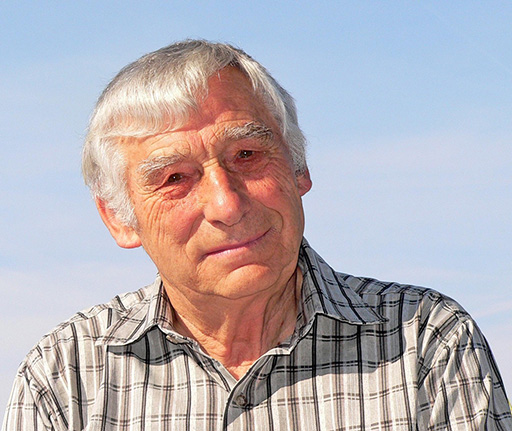

Teaching in the spirit of Pestalozzi
Introduction
In the late autumn of 2005 a sponsor of PestalozziWorld ( www.pestalozziworld.com ) introduced me to Sir Richard Butler who asked me, in my capacity as a Pestalozzi specialist, to support Education Consultant to PestalozziWorld, Joanna Nair. The object is to teach the PestalozziWorld students about Pestalozzi and in the Pestalozzi spirit, while encouraging the schools involved to adopt Pestalozzi’s principles and consequently to compile teaching and learning aids for the implementation of Pestalozzi’s ideas in school and educational practice. Ms. Nair and I discussed the various aspects of the projects for two days and finally came to the conclusion that (amongst other things) I ought to explain how school lessons should be planned if Pestalozzi’s ideas are really to be taken seriously.
Here we have the results of this task. I am assuming the reader has already studied both my articles of fundamental importance ‘A Biography of Pestalozzi’ and ‘The Fundamental Ideas of Pestalozzi’. For this reason I will not explain here how Pestalozzi or his colleagues taught in those days, but will attempt to show how lessons look today if they are arranged in the spirit of Pestalozzi. For, what interests us today about Pestalozzi and what can still be put into practice today is not exactly what was done at Pestalozzi’s schools (in Burgdorf or Yverdon) but his general principles of teaching and education. At first Pestalozzi simply described these as a ‘method’, later – more clearly and comprehensibly – as a ‘concept of elementary education’.
Since these principles are rather generally formulated and consequently broadly described, there are certainly always numerous different possibilities for applying these principles in a specific lesson and teaching situation. How this looks in practice therefore depends on the person who has to make the decision, and is therefore partly subjective. For this reason it might be useful for the reader to have some brief details about my life. Then he can decide how far my subjective experience and reflections can accompany his own teaching and educational practice:
From 1950 – 1954 I attended teacher-training college where I gained both theoretical and practical experience in Pestalozzi’s teaching method. I had the good fortune to be taught by one of the best Pestalozzi experts of that time, Otto Müller, who knew how to arouse my interest in Pestalozzi’s life and way of thinking. At the age of 20 I was employed as teacher in a small village. The school was run as a so-called ‘comprehensive school’, i.e. all 35 children attending classes 1 to 8 at that time were taught by me all in the same room. I worked at this school for 17 years and it was there that I discovered and began to appreciate the enormous advantages of a one-room school (children of different grade levels in the same class). It was not particularly difficult for me to apply Pestalozzi’s principle that the older pupils pass on the material they have learnt to the younger children or practice with them. A further advantage of the one-room school of great importance today is that the older pupils find it perfectly natural to show consideration towards the younger ones and that the latter find it perfectly natural to let the older ones help them. Under these circumstances it is much easier to create an atmosphere of non-violence, of peaceful co-existence, consequently, an atmosphere of perfectly natural learning. This type of school is more like a large family than a tightly run organization. And I experienced daily how pupils in a one-room school become extremely independent as they are not allowed to bother the teacher, who has his hands full anyway, with problems they can solve with help from a fellow-pupil. If I now had to make a decision on the organization in any school, I would intermix the pupils so that every teacher had to teach children of at least three different age-classes, that is 1st to 3rd grade, 4th to 6th grade, and 7th to 9th grade. This has the added advantage that, in a 3-class group, traditions can grow and do not need to be rebuilt with every change of pupils, since only one third of the pupils are replaced each year. This can greatly ease a teacher’s workload.
To return to my life: in ‘my’ village I also took on other duties. For example, I directed the choir, supervised the play staged annually by the drama group and took an active part in local government.
In those days in Switzerland the cantons (provinces of unequal size with historical background) acted independently on school issues, which is why each canton used its own teaching material in its schools. This material was compiled in each case by experienced teachers. I was assigned to draw up teaching material for Canton Aargau, to which ‘my’ village belonged, on the correct learning of standard German (this was intended for 3rd year pupils). Swiss children always have greater problems with this than German children, as the everyday language in our country is Swiss German, a language that differs so greatly from standard German that our German neighbours cannot usually understand us. The teaching of language was always one of my major concerns during the 43 years I was involved in teaching and I discovered that the application of Pestalozzi’s principles leads to success.
After what really were my ‘apprenticeship and diploma years’ as teacher at a village school, I studied Pedagogics and Psychology at Zürich University and ended my studies with a doctoral thesis on changes in Pestalozzi’s thinking. Following that I worked in teacher training as lecturer in Pedagogics, Psychology and Didactics, the last 20 years at a private teacher training college. Here I was granted the freedom to conduct my lessons in the spirit of Pestalozzi and also to propose and to encourage reforms for the entire establishment, which would enable teaching and education in the spirit and style of Pestalozzi. Unfortunately the state has now standardized teacher training for all cantons in Switzerland, forcing all private teacher-training establishments to close.
Between 1975 and 1993 I also founded and managed several advisory services for Child Guidance and School Psychology and had the opportunity to gather valuable teaching experience that I was able to expand upon while bringing up our five children. I retired in 1997 and, amongst other things; I now look after the Pestalozzi website www.heinrich-pestalozzi.info – together with Prof. G. Kuhlemann.
- Pestalozzi’s basic ideas on teaching
The key principle: in accordance with nature
Anyone who wants to find out more about the nature of man gains a great deal of knowledge simply by comparing man with an animal. For example, if we look at the honeybee, we discover that its life in the colony takes place exactly as it did two thousand years ago and will still be the same in another two thousand years. It is therefore sufficient to study a single colony of bees to find out how the bee lives, in other words, the nature of the bee. In the case of human beings it is a very different matter: firstly, the life of every individual differs so greatly from that of the others and secondly, humans are living and have lived within very different social systems that will also change in the future. This could lead to the assumption that nothing about man is fixed, everything is variable, depending on the prevailing social conditions.
Pestalozzi contradicted such views with the doctrine on man that I have explained in detail in the ‘The Fundamental Ideas of Pestalozzi’. He is convinced that despite the many individual differences and despite the constant change in social conditions, there is still something in man that is constant and eternal, something in the life of every individual that retains its validity regardless of social change. Everyone, no matter where, when or how he lives, has his physical and spiritual needs, everyone possesses physical and intellectual power and talents, everyone has to grapple with his own egoism, everyone suffers from the limitations imposed by society until he has risen to morality and every individual achieves a truly fulfilled life only through this moral stability. Everyone, without exception, is talented, with a higher nature. This unfolds through a life spent in truth and love and makes human existence appear meaningful. Pestalozzi often describes this constant, eternal element as human nature, and often quite simply as nature.
Now, according to Pestalozzi’s conviction, the disposition of human nature is such that the individual cannot reach his true destination, humanity, without education, i.e. without the influence of his fellow human beings and of social constraints. Left to their own devices, young people would simply run wild and fall into bad ways. The entirety of what the relevant educational powers think up in order to influence a child is often described by Pestalozzi as the art of education, but mostly abbreviated to simply art. The word ‘art’ has, of course, a completely different meaning today and this results in Pestalozzi being misunderstood by many people who read only a few lines of his and do not know the true sense of his words.
Thus, in the development of every person, there are two opposing ‘powers’: on one side is invariable human nature in its particular individual form, on the other side is art that is variable depending on the social condition.
Now the question arises, which of the two powers, nature or art, is entitled to priority. For Pestalozzi there is no shadow of doubt: nature takes precedence over art. That is really only logical, since, if nature is unchangeable and art changeable, then art must be guided by nature. Pestalozzi therefore demands that art is subordinate to nature that teaching and education must be in accordance with nature if a person is to reach his goal of humanity. The call for conformity with nature in teaching is the absolute fundament of Pestalozzi’s teaching system and every demand beyond that is nothing more than the elucidation and concretization of this first basic demand. Everything that is asked of a child that goes against his nature, in other words not natural, mis-educates the child and leads it away from the ultimate aim of teaching and education: from humanity.
And so it is of paramount importance that a teacher who intends to teach and educate in the spirit of Pestalozzi asks himself at all times and in everything he undertakes: is what I am intending, what I am doing, what I am asking of the children, what I forbid them to do, is this in accordance with human nature, with the children’s nature, is it really natural?
Here of course the practising teacher immediately asks himself a further question: how do I recognize whether what I am doing with the children is in accordance with nature? The experienced teacher who has familiarized himself with the ideas and theories of Pestalozzi usually knows this in advance, for he knows the pupils, is able to empathize with them. However, for the less experienced teacher there is a simple rule: if the pupils are unwilling to learn, appear unmotivated, show signs of disapproval or lack of concentration when faced with certain material or when a certain teaching method is used, or when they are faced with a certain situation, this is a sure sign that the lesson is not in accordance with nature. On the other hand, if they derive pleasure from what they are doing, then the teacher can be certain that his lesson is indeed in accordance with nature. Then conflicts between the pupils or between pupils and the teacher will rarely occur.
‘Conformity with nature’ has many varied aspects and so there are often several different reasons why pupils are pleased to take an active part in one case and in another case are reluctant to learn. I cannot list all violations against conformity with nature at this point as in the following chapters I really do nothing other than develop my thoughts on teaching that is in accordance with nature. For this reason I will confine myself here to a single example of a violation against conformity with nature that, unfortunately, can be observed only too often in our schools: the non-observance of the appropriate age of the pupils in the choice of material or a teaching method. Our syllabus and teaching aids or unknowing teachers very often confront their pupils with material that doesn’t mean anything to them or for which they fail to summon up any interest. The younger the children, the more concrete, the more appealing to the senses, the more tangible the material must be. Unfortunately we repeatedly see in the course of mathematics lessons that school beginners are instructed far too soon to write abstract formulae although they are not yet able to grasp how these are related to practically understandable actions. Or, during language lessons children are troubled at a much too early age with lines of thought concerning the theory of language instead of using exercises appropriate to their age to awaken in them the joy of the richness of the language, of correct pronunciation and the pleasure of writing. Or, during history lessons they are confronted with theoretical, social and political thoughts and are expected to provide all kinds of results from their own research instead of being introduced to the life of people in bygone days by using exciting, descriptive stories. And they are supposed to interpret statistical tables in Geography, or explain natural phenomena that occur globally, instead of making the acquaintance of the variety of landscapes and the people who live there – through pictures, travellers’ accounts, or if possible, by going to these places. In Biology pupils are often confronted with molecular biology, genetics and systematics at an age when they should really be looking at a flower, be finding out which are the most common plants, or observing an animal and learning how to treat it. We once experienced how children were given a reading book, which was intended to explain Albert Einstein’s Theory of Relativity to them. This was expected of pupils who had not the slightest basic knowledge of the laws of physics, who, for example did not even know the lever law, the laws of falling bodies or energy equation. This book fortunately disappeared from the market.
The development of powers and talents
As explained in the previous chapter, the nature of man takes absolute precedence over art, that is, over what a young person is approached with from the outside. This decision is based, amongst other things, on the conviction that the ideal we strive for in education, that is humanity, lies so to speak, as an embryo that is yet to be developed in the nature of the person himself. This distinguishes Pestalozzi from those theorists who consider man allegorically as tabula rasa at his birth, believe him to be totally empty of ideas and therefore think it possible to make out of a person whatever springs to mind. According to Pestalozzi education should not put anything into a person, but rather develop something out of him, to be precise, humanity. The natural prerequisite for this is that everyone is endowed with powers and talents that are lying dormant at birth. Hence the fundamental task of teaching and education is the development of powers and talents.
When Pestalozzi speaks – as he often does – about the ‘development of powers and talents’, I must add that the individual genetic make-up, that may be the reason for greatly varying aptitudes, is not foremost in his mind; by ‘powers and talents’ he means primarily ‘the general human possibilities’ that permit the individual awareness of truth, reasonable judgement, love that comes from the heart, religious belief, the active handling of all his affairs and much more besides – in fact, humanity. But these powers exist in every individual in a somewhat different form and for this reason everybody should achieve the goal, humanity, in his own way.
The principle of independence
Now the question arises, by which means can human power be developed. Pestalozzi’s answer is simple and universally proven in practice: powers develop only through use. Only when a child is in some way active himself – whether this is outwardly visible or remains hidden inwardly – that is, when his power is used and is active, is learning taking place. Pestalozzi formulates this thought as the Principle of Independence. Power that is not stimulated and used, withers.
For the practising teacher this means that at every moment of his teaching profession he must ask himself: “Has power been activated in the child and is the very power I want to develop really active?” If the answer is no, his lesson has neither sense nor purpose. One of the most important abilities a teacher must possess is to structure his lessons and to behave in such a way that powers are activated in all his pupils.
At this point I would like to mention a differentiation that is of great importance to Pestalozzi: knowledge and ability. It is clear to him: a person who knows a lot but lacks ability is unsuitable for life, is a misshapen person. Knowledge alone does not help a person, even if he fills his whole head with it. What is really effective in life is ability. Mere knowledge can quickly be forgotten whilst a developed ability continually proves itself helpful and useful. For this reason Pestalozzi clearly focuses attention on ability, and knowledge has to be at the service of ability. By no means should school simply fill the heads of young people with a large amount of undigested knowledge, but must always aim for ability, for the command of skills in all its activities.
This can easily be demonstrated by an example of grammar in the field of language acquisition. It is quite possible that a pupil knows all the rules of grammar that apply within a language and yet still cannot formulate fluently and correctly, cannot express himself verbally and has a very limited vocabulary. He is in fact lacking everything that is important in life, that is, to have a good spoken and written command of the language. None will be interested in his extensive knowledge of the language. On the other hand, it is possible that somebody has a very good command of a language but knows only the most important rules of grammar. Perhaps he will discover one day that to broaden his knowledge of grammar might improve his language ability, and then this acquisition of knowledge is in the correct relationship to the ability: it is serving the ability.
What has been demonstrated in the field of language applies to all subjects. It becomes most obvious in the areas of physical and craft skills. To know how to knit, how to use a plane, how to deal with a ball and so forth is perhaps interesting but is only of use to a person when he is actually able to do all this, and as we all know, this can only be achieved through doing, through practice – in fact, precisely through the use of powers.
And so, a teacher carrying out his profession according to Pestalozzi’s views will repeatedly ask himself: have I merely passed on knowledge that will soon be forgotten, or have the pupils improved their ability? For example, in Mathematics, do they now know how to carry out a division or can they now do it and, can they do it better than before? Or, in Geometry, do they now simply know that in a right-angled triangle the area of the square over the hypotenuse equals the sum of the areas of the squares over the other two sides, or can they prove it and put it to use in everyday life, e.g. when they need to construct an exact right angle using a long piece of string? Or in Physics, do they only know the formula of the law of falling bodies by heart, or can they use it to describe the fall of a stone mathematically? Or do they know that on a lever the ratio between load arm and force arm corresponds to the ratio between load and force, or can they apply this to a wheelbarrow? Or in Geography, do they merely know how to illustrate the ground relief on a map or can they actually imagine the landscape on the basis of a map and describe it? Or, quite simply: do they know how clear legible handwriting looks or are they really able to write neatly, quickly and legibly? The number of examples could easily be multiplied.
Naturally the simple question arises: how does real ability come about? – and the answer is just as simple: solely through persistent practice, which means through fresh repetition that is varied and imaginative, until proficiency (the ability) is acquired. The success of a lesson depends – viewed as a whole – on two didactic measures: on the one hand material must be gone through in a manner that makes it clear for the children and is deliberately experience-oriented; on the other hand all skills must be persistently practised in a way that is suitable for children. (Both will be dealt with later.) Anyone who neglects these two mainstays of good school management will fall short of what could really be achieved in school.
In Switzerland and in other European countries we can perceive pedagogic tendencies that seem to demand hardly any work performance from a child. Many find it inappropriate for a child to have to exert itself or dwell on a topic for any length of time. This is not at all in line with Pestalozzi’s thinking, as he was convinced that real education comes about only when a child is active himself. But this means nothing more than performance. Only if a child accomplishes something does it move forward. But Pestalozzi opposed the idea of getting work performance from the pupils by false means, by prodding their ambitiousness or through intimidation. He disliked the system of school marks that was in its infancy in Pestalozzi’s time and is now the standard system throughout the world. The documents that have been preserved from Burgdorf and Yverdon show that Pestalozzi’s pupils were able to produce very good results at school without using a system of marks at all.
At this point I would like to say a little about the experiences I had in my capacity as teacher trainer, or to be more precise, about how the practising teacher notices that the pupils’ powers and talents are active. I visited many school classes where it was always plain to see: if the pupils lacked concentration, were fooling around with their neighbours, working carelessly and fast in order to finish quickly, there was no development of powers as defined by Pestalozzi. If young energies are really active, we see a completely different picture: then everyone concentrates on his work, a calm atmosphere prevails, if anyone speaks at all then only about the subject and task in hand, nor do the children wish to be disturbed or distracted from their work (not even by the teacher), and should the teacher leave the room for any reason, this does not result in chaos and there is no more noise in the room than before, and the children work as if this were nothing unusual. I have often observed that the children’s cheeks turn red and their eyes sparkle and that they find it a nuisance when the bell rings and they have to interrupt their work.
Many a teacher will ask himself: how do I manage to get my pupils to work in this encouraging way? The first reply is of course: by observing all the principles that Pestalozzi recognized and formulated, which means, by arranging lessons that correspond to the emotional state and the emotional needs of the children concerned. This applies at all times. But at this point an answer must be given to the question, which educational measures and which behaviour patterns on the part of the teacher make this success possible. There is no doubt: such an atmosphere of learning can never be achieved by pressure, threats and punishment. The most suitable means to get the child to exert itself and thus use and develop its faculties are, first of all, the example, love of the child, acceptance of his individuality, encouragement as well as interest in his task. I will come back to this point again later.
One should not believe that it is particularly difficult to motivate pupils to such heartening learning behaviour. The reason is that children, by nature, want to learn. This was also Pestalozzi’s observation and the reason why he always emphasized: a child wants to be active of his own accord, his energies urge to be developed. He writes in ‘Swan Song’, his last great work (1825): “Man is also driven by the nature of each of these powers within himself, to use them. The eye wants to see, they ear wants to hear, the foot wants to walk and the hand wants to seize. But in the same way, the heart wants to believe and love. The mind wants to think. In every gift of human nature lies an urge to rise from the state of inactivity and lack of dexterity to that of a trained force which, if left untrained, lies within us like a seed of strength and not as strength itself” (PSW 28, S. 61). Pestalozzi also describes this urge to unfold that lies in every natural talent as ‘the power of aspiration’.
Anyone who lives or works with children and observes them closely can see the effect of this power of aspiration for himself day by day. (At this very moment, as I am writing, my nine-year old granddaughter has come to me and takes great pleasure and pride in telling me which articles she can name in English. This is the result of her grandmother giving her her first English lesson whilst carrying out her household chores, and all purely for fun). For the teacher and educator it is therefore a matter of supporting this urge for development of the driving powers, or expressed more vividly: of holding out one’s hand to them. (This is what my wife did with my granddaughter. She sensed that she was ready for such a task and so her suggestion to learn English with her fell on fertile ground. My wife, incidentally, behaved exactly as Pestalozzi would have expected mothers and fathers to behave: that is, since they know their children and are in close contact with them, they use every opportunity arising from normal everyday situations to develop powers within their children. The power which came to the fore in my granddaughter is described by Pestalozzi as language power.)
The results in all our schools would be far better than they actually are if our teachers would, in the first place, pick up and develop those activities that pupils themselves want to carry out. This would naturally lead to a change in the belief that all pupils always have to be doing the same thing and must achieve the same objectives at the same time. Nevertheless all fundamental targets would certainly be reached (reading, writing, arithmetic and so forth) because the pupils encourage and support each other and let themselves be easily stimulated by the teacher when they are working in an atmosphere where they feel that their keenness is taken seriously.
A schoolroom where teaching takes place according to Pestalozzi’s doctrine is therefore filled with the joy of life. The teacher does not simply talk at the pupils but develops understanding in talking to them, he listens to their ideas, he allows them to observe and research themselves, he shows an interest in their learning requirements, he encourages them to use their own imagination and creativity, and above all he allows, yes, even encourages them repeatedly not to all do the same thing, but permits each child to learn according to his own state of development. And so, if children are unwilling to learn, this shows that either the learning matter or the manner in which something is to be learned, does not correspond to a child’s nature, or it is a question of children who have been miseducated and neglected due to extremely negative environmental circumstances.
Harmonious development of the three fundamental powers
Apparently we humans are equipped with very many and varied powers and aptitudes that we can employ to form our life. Pestalozzi therefore made an effort to divide these into three main groups. He does this following the arrangement of emotional life dating from antiquity into thinking, feeling and wanting (acting) and arranges the powers into three large groups. These ‘basic powers’ are the intellectual, the moral and the physical powers. A symbolic reflection of this threesome can be found in the organs: head, heart and hand.
- The easiest to understand is what Pestalozzi describes as head. By this he means all mental functions that lead a person to a realization of the world and to a reasonable judgement on things. This requires perception, memory, imagination, thought and language. Pestalozzi often describes these powers as ‘the mind’, as ‘mental’ or as ‘intellectual’ powers.
- Pestalozzi’s idea of the heart is more difficult. By this he means not only the entire sensory sphere that accompanies all our perception and thoughts, but primarily the basic moral feelings of love, faith, trust and thankfulness, and then also the activity of the conscience, the sense of good and bad, the orientation towards moral values.
- The area of the ‘hand’ is also very complex. Instead of ‘physical powers’ Pestalozzi often also speaks of ‘craft powers’, of ‘art powers’, of ‘vocational powers’, of ‘domestic powers’ or even of ‘social powers’. All these definitions show that when Pestalozzi speaks of ‘hand’, he means man’s practical activity that combines dexterity and physical strength with common sense and the determination that one’s actions should culminate in fruitful deeds.
Pestalozzi attaches to this famous division of powers into head, heart and hand the well-known demand that none of these powers should be neglected and similarly that all should be optimally developed.
Primacy of education of the heart
And yet Pestalozzi does not consider all three power groups to be equal. Unquestionably valuable are, in his opinion, the powers of the heart, as only they enable a person to achieve his real goal: humanity. The powers of head and hand must certainly be developed as far as possible, but Pestalozzi is convinced that they contribute towards the salvation of a person only when they are penetrated by the acquired powers of the heart, which means: when they serve the heart. Thus, a person may be very intelligent or possess physical skills – but if he does not combine his intelligence and skills with his love and his desire for goodness, he will become a monster who will bring unhappiness to himself and his fellow men.
The call for harmonious education, that is, for training of all three groups of power, is fundamental for a teacher who intends to teach in the spirit of Pestalozzi. Certainly it is not possible to always address all three groups all the time, for in certain subjects (for example, in Mathematics) the focus is on the head and in other subjects (for example, in Arts and Crafts or in Gymnastics) it is on the hand. But in every case it is possible to activate the powers of the heart at the same time. Whoever has his mind on his work with joy and enthusiasm, but at the same time exercises consideration towards his fellow pupils, is always employing his heart. That is why one rule for Pestalozzian teachers is: the heart must be in everything! For only when all concerned – teachers and pupils – put their heart into teaching and learning can real education of people in the spirit of Pestalozzi take place.
In the German language, education of the heart is often described as ‘Gemütsbildung’ (‘education of the soul’). The word ‘Gemüt’ is difficult to render into other languages. It is usually translated by the term ‘emotion’ (English and French). But not every emotion is part of our ‘soul’. Rage, anger, hate, boredom, reluctance, pain, dejection – these are also emotions but they are not the essential part of what we understand by ‘Gemüt’. Not until the powers of emotion have united with moral and aesthetic values inside a person can we speak of ‘Gemüt’. For this reason Pestalozzi calls for the ‘ennoblement’ of emotions. A sensitive person does not really posses soul until the ‘moral feelings’, such as sympathy, love, joy, thankfulness are the supporting elements in his emotions. A soulful person is therefore always a good person. There is always something going on in his mind. He is tactful, sensitive and has a wealth of experience. He has a feeling for all things that are fine and beautiful. He loves the truth implicitly and so he never spurns clarity of thought. He is a person of true reason and does not mistake reason for cold intellect. His religiousness is a matter dear to his heart, which is why he prefers to avoid theological bigotry.
The significance of this at school is that in everything undertaken towards learning, the children’s souls must be appealed to and stirred. This begins with the children repeatedly being made to really marvel. The soul is also apparent when a person can feel awe in the face of what is truly great and magnificent. Pestalozzi emphasizes repeatedly that children should also anticipate and learn to love the Creator in this awe. Then they should be able to experience all their doings as actions carried out with pleasure. Pleasure develops particularly when children really feel their own strength and achieve the goals they aim for. But this is only possible if they feel themselves accepted and loved by the teacher and their fellow pupils. In everything they do beauty should always be expressed and felt by them. For this reason it is important that children, do not only, for example, write, but write neatly. This soulful learning, in which awe, pleasure, friendship and beauty are united, is then capable of awakening love for the cause in the child, and from this grows love for the world. If the powers of head and hand are bonded with the powers of the heart and are subordinated to them, then every one of the child’s activities will become a loving and graceful act.
For school teaching, the endeavour to educate all powers in harmony and to give the powers of the heart priority has far-reaching consequences. Every time we manage to come up to this Pestalozzian ideal, the result in the lesson is what is aptly described as ‘experiencing’ or ‘experience’. If this is achieved, learning takes place out of interest and one ceases to strive for a good mark and devotes oneself totally to the task, with head, heart and hand. The way to results is no longer perceived as tiresome but is, on the contrary, exciting and fulfilling. The pupils work hard and are committed, and most of the conflicts such as always occur between pupils and pupils or between teacher and pupils and disturb lessons that do not conform to nature, are avoided.
Laws of development
One may ask oneself why Pestalozzi separates the powers of man into the three main groups – head, heart and hand, in the first place. He does so because he has realized that these three elementary powers unfold each according to its own laws. From this emerges the task of every teacher and educator, to trace these varying inherent laws and base the development of powers on them.
The stages of moral development
Firstly Pestalozzi investigated and described the law of moral development. It is essential that one does not begin moral and religious education with the usual moral preaching. The foundation for education of the heart must namely be laid at an age at which the child does not yet have the possibility to grasp moral teaching.
Moral elementary education, according to Pestalozzi, takes its course in three stages. The first stage is the awakening of a moral state of mind. This happens when a mother satisfies the physical needs of a child and creates a bond of love with the child’s heart. At the same time the basic moral feelings of love, trust and belief as well as thankfulness develop. The predisposition towards these feelings can nevertheless only be developed because the readiness for these feelings is existent in the child by nature. It is however decisive that they only develop naturally if these feelings are also alive in the mother.
With this, Pestalozzi has recognized and placed a focus on a process in human relations which has a significance for education and human coexistence that cannot be rated highly enough. It concerns the general understanding that moral life in another person is always only aroused and supported through the morality that is lived by his fellow beings – in particular that of the educator. In the field of the head and the hand maybe pressure, force and intimidation still promote a certain progress, although the activation of such forces is generally not desirable here either; but in the sphere of the heart all attempts to force progress in development by using pressure from outside fail. A person can never really successfully be ordered to open himself up, take pleasure in good, love his fellow men, develop trust and thankfulness, show awe in the face of what is venerable and feel and respond to the works of the Creator in his heart. In the worst case this would turn a person into a hypocrite; someone trying to make a moral impression outwardly because he is afraid.
This thought is of such importance to me that I wish to further illustrate it by drawing a comparison with the viola d’amore. This baroque stringed instrument has at least 14 strings, that is, 7 playing strings and 7 sympathetic strings (lying a little deeper). The sympathetic strings cannot be played by drawing the bow across them, and only begin to sound when the corresponding tone is produced by the playing strings. This is brought about by the Law of Resonance, and gives the instrument a unique and sweet sound. The same law can be transferred to the possibilities of the educator in the field of education of the heart: the playing strings can be symbolic of the educator’s possibilities for a moral life-style, the sympathetic strings those of the children. In the same way as a playing string has no possibility of making the sympathetic strings vibrate other than by beginning to sound itself, we teachers can only arouse spiritual powers in a child through our own inner life.
In other words: a moral life can only be developed through Resonance. Love generates love, trust creates the willingness to trust, awe demands respect, personal honesty opens mind and soul, a personal sense of responsibility prompts behaviour that is conscious of responsibility, a personal relationship with values encourages worthy action. To the same extent as the teacher has aroused a mental and spiritual life in himself and it remains alive in him, will he succeed in arousing the corresponding powers in the young people entrusted to his care. A moral life is developed solely in a bond of human relations. Pestalozzi: “Our species basically grows human only when face to face, heart to heart”. For Pestalozzi it is therefore of decisive importance for the moral development of a child that it is embedded in family life during early childhood and experiences love, trust, consideration and understanding during its formative years. This life is in itself an education, offering the child the possibility of direct perception, which combines understanding gained through use of the outer senses (Pestalozzi calls this ‘sense-impression which serves the development of the spiritual powers) and inner conception, which strictly speaking is perception of the heart, the ‘inner perception’. Totally in keeping with Pestalozzi’s judgement, the French author Antoine de Saint-Exupéry, in his book about the Little Prince, has the fox speak the famous sentence: “It is only with the heart that one can see rightly.” For Pestalozzi this inner perception is the fundament for education of the heart.
And so we see that it is not the things of nature that educate man during the first 15 years of life, as Rousseau assumed to be the case, nor do electronic devices, as many people today believe. Only a human being – namely one who strives for morality – is capable of educating another human being and he will only succeed if he associates himself with the minds and souls of the young people he has been entrusted with and treats them as true fellow human beings. Then the small child lives with inner perception, and his moral powers can be awakened, through resonance, to activity of his own.
For the teacher who wishes to not only transfer knowledge but also use his lessons to teach humanity, this has serious consequences: he must become aware that that his own lifestyle and his own striving for goodness are an essential prerequisite for the success of his teaching. That is why a teacher working according to Pestalozzi’s principles looks upon his own course of development, up to his goal of humanity, and the thorough preparation and execution of his lessons as tasks that are of equal importance.
And now back to Pestalozzi’s 3-stage course of development of the powers of the heart: the first phase, the awakening of a moral state of mind, is achieved at school through the teacher’s own moral life, on the basis of the Law of Resonance.
Pestalozzi considers doing good as the second phase, with obedience as its fundament. In this sense, he himself – by way of example – encouraged the children at the orphanage in Stans to share their bread with starving children in a neighbouring valley. By doing so he let them experience what affect such a deed has on those who receive the benefit, and on the other hand, how those feel who are doing good themselves.
A teacher, who makes the effort to incorporate this perception in his lesson, is always searching for opportunities to combine school learning with moral deeds. As an example I would like to mention the teacher who carries out a large project every two years, together with his pupils, during which he creates a year calendar consisting of 26 sheets, each covering two weeks. The didactic basic fundament is the intensive analysis of a theme that is of great significance in human life and also in the pupils’ experiences, e.g. water, forest, house, traffic, crossing borders etc. Every pupil designs one of the pages, illustrating his ideas and discoveries in an attractive and original manner with drawings and a few words. Finally the weekly sheets are copied, bound to make wall calendars and sold to the public. The proceeds from the sale are then used for a project in a developing country. If, for example, the theme on the calendar was ‘water’, then the money would be used to finance the construction of a well somewhere in Africa. This way the pupils not only learn the far-reaching significance of water but also feel at all times during their involvement in the production of the calendar that with their work they are helping to relieve the suffering of people in distant Africa.
It goes without saying that not all subject matter on the curriculum can be linked to such moral deeds but anyone wishing to teach in the spirit of Pestalozzi searches constantly for opportunities to live up to these demands.
Finally, as the third phase in moral education, Pestalozzi places reflection and discussion about goodness. He is convinced that pupils are not ready to speak about moral laws until they feel goodness within themselves and have already experienced what it means to do good.
During lessons at school there are many opportunities for discussions in the course of which the motives for people’s actions can be examined to clarify to what extent these count as ethically valuable or morally condemnable. History lessons are in the foreground. Here the pupils repeatedly come across the deeds of particularly outstanding people who have acted either very scrupulously, or in an exceptionally moral way. The same applies to reading lessons and lessons in literature. Every good story exists to show people how they are always supposed to decide between what they recognize as good and what can harm others. After all, even coping with actual conflicts that occur in every lesson can give occasion for reflection on the essence of moral behaviour.
The stages of intellectual development
Pestalozzi’s line of thought shows clearly that endeavours to achieve moral education through the teaching of morals do not conform with nature as the fundament is missing, namely inner involvement through the soul and personal experience of moral behaviour.
Pestalozzi opposed the method of school lessons practised in his life-time, not only in the field of moral power (heart) but also in the field of intellectual power (head): in those days it took pupils years of painstaking work to learn to read scripts they did not understand and they talked about things they had neither experienced personally, nor understood the nature of. Pestalozzi fought an unrelenting battle against this use of empty words. To him it was obvious: before you can read, you must be able to speak and a person can only speak genuinely if he truly thinks what he is saying. Thinking is founded on clear concepts and these again are based on the real conception of things gained through sense-impression. This is why Pestalozzi arrives at his theory, “sense-impression is the absolute fundament of all knowledge” (PSW 13, 309).
Therefore a teacher wishing to develop the powers of the head in his pupils according to nature must always ensure that real things are detected by all the senses. To do so, he seizes every opportunity to train the conscious and precise use of the sensory organs: seeing, hearing, touching, smelling, tasting etc., i.e. he uses sense-impression as a fundament on which to build all further thinking and speaking about an object of his teaching.
Pestalozzi distinguishes between four steps of perception:
- At the first step, ‘dark sense-impression’, simple stimuli have an effect on the sensory organs, in the same ways as is possible with animals. For this reason Pestalozzi often describes this kind of perception as ‘animal’ sense-impression.
- The second step of perception is possible only for humans as at this stage a person becomes aware of the exact shape, is also sure about the number and is able to define the object or objects, in particular verbally. Pestalozzi describes this stage of perception as ‘specific sense-impression’.
- At the third step of perception as many sensory organs as possible should participate to clarify as many other characteristics as possible, for example the structure of a surface, the colour, the temperature, the sound, the taste, the scent, the weight, the consistency. Thus a specific sense-impression becomes a ‘clear sense-impression’. It is vital that this clarification is always combined with a verbal designation. At this stage the pupils can then not only name the object itself, but also find suitable expressions for its characteristics. This is nevertheless possible only on the basis of intensive training of the senses whereby attention must be paid to the fact that in training the senses, the sense-impression gained from concrete objects and verbal processing always go hand in hand.
- At the fourth step it is a question of putting the object into a wider context, which, at the moment is not directly understood by the senses. In exceptional cases the child achieves this through its own exploration but this generally happens with the teacher’s instruction. The child learns, for example, about an object, what it is used for, who made it, how it was developed through the course of history, with which other objects it is closely connected, what it is worth, which dangers it holds etc. Through the acquisition of this knowledge, the child’s clear sense-impression becomes a ‘clear concept’ and perception is achieved. Since the knowledge about a certain object can be invariably expanded at random, the clear concept is nothing that is absolutely complete and always allows further elucidation in the course of life.
In an actual school day these four steps cannot be easily separated and for this reason the teacher must know what is important, namely:
- Whenever possible one works with real objects.
- If possible, all senses should respond.
- Every sense-impression should be expressed clearly and comprehensibly (verbally registered). This improves the pupil’s vocabulary and the pupil learns to use only those words by which they can imagine the right thing.
- The teacher should always add a little to whatever the pupils can perceive themselves, but only such knowledge as can be grasped by the pupils. This is the basis for the formation of sense-impression.
- The teacher must know that every sense-impression can always be expanded upon further and further. Children already have, for example, a simple sense-impression of what is described as ‘roof’ if they have already seen a few and understood that their task is to offer protection from wind and the weather. But there is far more to be known about ‘roofs’ and the longer and more intensively one concerns oneself with them, the more sophisticated the sense-impression becomes, until the child forms a concept. This law applies without exception for all sense-impressions. And so, in the end every transfer of knowledge can be understood as development and expansion of sense-impressions into conceptions, thus leading to perception. Seen from this angle, the conscious development of perception in the field of powers of the head is the central task of a school. A teacher who is aware of this and has understood how perceptions are formed and expanded, teaches far more efficiently and successfully than one who does not have sufficient understanding of these associations.
With the acquisition of perception the foundation is laid for two of the most important human abilities which are closely connected to one another: thought and language. Yet, the highest goal of the pupil’s intellectual development is not reached with these alone, since the mature thoughts of a mature person lead to correct judgement. If thoughts are based on true perception, then the judgements based on these thoughts are born out of real expert knowledge and are not merely a repetition of the undigested ideas of other people. In other words: in a form of education based on sense-impression and conception, the young person finds his path to perception and truth. Therefore, a life spent in truth is the ultimate goal of intellectual education.
Naturally, such a development requires time. Judgement is therefore not appropriate for little children to make but is something that does not mature until later. Pestalozzi states quite clearly: “I believe that the time of learning is not the right time for judgement; the time of judgement begins when learning has been completed, it begins with the maturing of opinions, for the sake of which one judges and is allowed to judge; and I believe that every judgement should be an inner truth of the person expressing it, must come from a comprehensive knowledge of these opinions, as mature and complete as a ripened seed falls out of its shell, perfect, free, without force, by itself”. And at this point he emphasizes that he “is not at all in favour of making the premature judgement of a child on any subject appear mature, but favours withholding such judgement as long as possible until the child has considered the subject on which they are to express an opinion from all angles and in all circumstances, and is completely familiar with the words used to describe the object and its characteristics”.
I would like to illustrate with one of my own experiences what it can mean to learn before one judges: for almost twenty years I attempted to develop a feeling and appreciation for classical music in student teachers in their first year (16-year old boys). Within the framework of a special pedagogical project, all lessons in German, History, Religion and Didactics were assigned to me and these were scheduled to take place on one weekday so that once a week I was able to work with the pupils for a whole day from 7 in the morning until 5 in the afternoon without the necessity to keep to a specified time for each lesson. In the spirit of comprehensive education according to Pestalozzi’s principles, I linked discussion on works of art of all kinds (literary works, music, pictures etc.) to issues from German, History and Religion lessons. When listening to pieces of classical music it was above all important to me that students laid aside their prejudices and became involved with the sounds which were unknown to most of them but are in fact an essential part of Western culture. It often seems to me as if fast judgement, which results in pushing aside anything new instead of openly listening and allowing something to perhaps meet with one’s own approval, is virtually self-taught. Once, during the first hour of lessons (which was practically the first experience of learning for the new students at the Institute of Teacher Training) I put the aria from Bach’s Goldberg Variations, performed by Glenn Gould, onto the turntable and asked the pupils to express their opinion on what they heard. Their statements were unanimously negative: “The person playing is obviously a beginner, this is probably a recording made after the first few piano lessons.” – “No, it is not really badly played, but here and there it ought to be a little louder and a bit faster.” – “The piece hasn’t enough class, no tact.” – “The piece ought to be played on the violin, then it wouldn’t sound bad.” – “The piece is too long.” – “Why isn’t anyone singing?” – “To be brief: this composer isn’t up to much.” After this comment I could not help shocking the students a little by telling them: “What are you talking about? This is a composition by one of the greatest geniuses that ever lived and the pianist is one of the most significant artists of our century. It is not a matter of your passing judgement, but far more of listening carefully to what is happening and paying attention to what is happening inside you. Nor is it a question of whether you like the composition, but of to what extent you are all able to get something out of it and at the most, understand it.” Then I played the piece once more, and lo and behold: the students’ comments related to what they had actually heard or were reports of what had been going on inside them while they had been listening.
From this experience I picked up the thread of Pestalozzi’s way of thinking, that before any judgement takes place one must know all the facts if one does not want to get bogged down in nothing but prejudices. One can really learn only when one is prepared in principle to refrain from passing judgement until one has taken very thorough note of the facts. This basic attitude of a learning person can best be described as openness. ‘Education’ always means some form of change in a person and a person can only change if he is open to new things. Anyone who insists on staying the same person he has always been is not educable. So, education is always a risk, a jump into the untested, the uncertain. The mind and soul of the learner must be prepared and willing to accept new things.
The incident I have described gave me the opportunity to speak to the students about the attitude of openness, and I was pleased to hear that it quickly became clear to them which demands must be made if education is to come about. This attitude of openness could be formulated more or less in this way: “I see the danger and recognize it as an obstacle to learning if I am always sceptical about and have a defensive attitude towards new content, as this causes me to pass judgement not founded on expert knowledge. For this reason I am prepared to drop all prejudices and accept what I have to tackle with composure and allow myself to take it in. To what degree this new thing suits me and in which way I can and must find a place for it amongst what is already inside me, will gradually prove itself through an honest attempt to come to terms with its content.”
For us teachers the question now naturally arises, how can we succeed in achieving this open attitude in a pupil? Speaking from experience I can say: it is possible only through genuine authority that is synonymous with credibility. If at that time I had not sensed that I was generally accepted by the class and therefore that my words could count, I would surely have achieved the opposite of what I intended by cutting in on the discussion so resolutely. Letting oneself in for something new is in any event a risk and the trust generated by genuine authority encourages the pupils to be venturesome.
The development of craft skills
Let us now turn to the laws at work in the development of the physical forces, of the ‘hand’. As previously mentioned Pestalozzi uses very differing expressions to describe what he understands by ‘hand’. We read, for instance, when he means education of the hand, of ‘education of the physical powers’, of ‘education of the body’, of ‘art education’, of ‘craft education‘, of ‘vocational education’, of ‘education of domestic powers’ or of ‘education of the work powers’. The development of the hand is therefore concerned with the development of general physical strength and dexterity, also with training quite specific physical abilities as well as learning certain jobs and finally acquiring a kind of ability that he often describes as ‘art’.
From Pestalozzi’s point of view, the following principles must be observed during development of the ‘hand’:
- The training of crafts must be embedded in peoples’ general education. Consequently every artistic ability must be connected with the intellectual and moral powers. Thus, Pestalozzi is pleased to see – for example that a girl puts aside her doll and from now on, instead of playing with the doll, looks after her younger sister: whereas she used to tie the doll’s shoelaces, put the doll to bed and play at feeding the doll (developing her craft skills while doing all this), she now ties her younger brother’s shoelaces, puts him to bed and spoon-feeds him. With these actions, the child places her urge to move and to play at the service of the community: her natural instincts are ennobled to morality.
- Education of the body in accordance with nature demands that there is sufficient space for the child’s urge to move around and play. A functioning school in which children have to sit unnaturally still for hours is not in accordance with nature. But this does not prevent Pestalozzi from accepting and appreciating the – in the positive sense – disciplinary and hence moral effect of sitting still.
- In the development of physical strength, generality must precede speciality. The child should not in the first instance learn a certain type of sport, for example dancing, fencing and riding, but develop his general physical strength and dexterity. The natural movements that result from his juvenile urge for movement – these are stepping, running, jumping, throwing, hitting, swinging, pressing, kicking, pulling, climbing and so forth, are the basis. Special abilities can then be built up on this.
That this principle is still recognized by sports specialists even today is seen (for example) when javelin thrower does not only train by throwing and running but is active in many other disciplines in order to achieve as great a success as possible.
Yet, it is my personal opinion that this particular principle of Pestalozzi should not be applied too one-sidedly. If, for example, a child learns to ride, it is not only acquiring the specific technique of horse-riding but its whole body grows physically stronger and the child becomes more agile and dextrous. Pestalozzi’s concern can be better understand if, during the acquisition of a specific skill, one always contemplates the whole and compensates one-sidedness with other activities.
With regard to the acquisition of a specific skill, of a clearly outlined ability, Pestalozzi has provided a course of development in four stages:
- At the beginning stands, once again, sense-impression. Pestalozzi calls this first stage ‘attentiveness and accuracy’. The child should first be made soundly aware of what is important and which motion and which method should be applied for using a tool.
I often come across teachers who want to give the pupils more or less absolute freedom even at this early stage. However, this generally leads to the pupils getting into the habit of wrong motions and incorrect handling of tools, and then, at a later stage, when they want or need to become more skilled, it is a great effort for them to have to change. The reason for this mistake is that the teachers are not sufficiently aware of the fact that every ability (for example, writing, knitting, weaving, sewing, playing a musical instrument, carrying out a certain type of sport, and using certain tools at work) has been developed by experts in the course of years or centuries and therefore every technique represents a social asset, which, if acknowledged, invariably guarantees success. It goes without saying that even craft and physical techniques can be further developed but that is then a matter for experts and not for beginners. A music teacher cannot simply let his violin pupil grip the bow with his fist and build up his lessons on this. He would very soon find that the pupil would not get very far with this method. But, if the violin pupil later turns into a master, he is then entitled to search for new technical possibilities. So we see that freedom in the framework of craft techniques does not have its place at the beginning but is the goal of the entire development. The pupil has to first realize and understand the whole sequences of motions and the use of aids. The teacher demonstrates the correct sequence of motions and verbally calls the child’s attention to the vital details. - In the second stage it is a matter of the child imitating and trying for himself. Very often a child needs to acquire in particular the physical strength that enables the correct sequence of motions in the first place.
This works well if the teacher keeps an eye on the children during this phase in which they are acquiring their ability and points out any mistakes they make in copying the required actions. It is wise, for example, during lessons in instrumental music, not to let the child practice alone at first, but to practise with him until one is convinced that he will not be practising mistakes in further repetition. - The third stage is concerned less with energy and trying things out, but more with skill, dexterity, ease and gentleness of motion. In this way the child increasingly forms a bond with the skill it is about to acquire, it gradually begins to carry out the correct sequence of motions without having to think about it. It experiences itself in its motions and is successful.
In the second and third stages a kind of sense-impression also takes place although here the famous five senses are not in the foreground, but primarily the feeling for the right motions. Not only the five classical senses require experience – the sense of motion requires experience too, in order to be able to develop. According to Pestalozzi every sensory experience belongs to his idea of ‘sense-impression’.
The third stage is also a phase of patient, persistent practice, and in every case practice means repetition, namely attentive repetition. Part of the art of a teacher is to awaken in the pupils an understanding of the necessity for repetition and to arrange the practice lessons in such a way that the pupils find pleasure in repetition. - Finally, in the fourth stage the student is independent and free. He has, so to speak, attained mastery, a thing that of course should not be taken too literally when it happens with young people during school lessons. At any event, through the acquisition of a technique or skill he has truly assimilated the experiences of society and is now trained and efficient in the use of this ability, which entitles him to use it freely. This means two things: firstly he can now utilize the acquired ability to serve the content that he chooses himself because he likes it or because it is important to him for other reasons. If he, for example, has learned to play a musical instrument, he now decides himself what he wants to play; if he has learned techniques in woodwork, he decides which objects he wants to make. And secondly, mastery means that he can also – should he have the desire – further develop the technique as it suits him. So this fourth stage is the phase of real creativity.
Having said that, we should remember that this sequence of stages is in fact a logical sequence that permits many practical variations. In practice these stages are linked and often overlap in manifold ways; particular if a child’s creativity makes itself noticeable at an early age. It is then up to the educator’s skill to take up the pupil’s creative impulses and reconcile them with the technical requirements for the ability to be passed on as far and as meaningfully as possible.
If we are talking about the development of craft skills as defined by Pestalozzi, we should not overlook the fact that his main concern in this matter is always to qualify young people for work for the purpose of earning their own living. For example, in accordance with Pestalozzi’s ideas the girls in Switzerland learned the basic techniques like sewing, mending and knitting until well into the second half of the 20th century at a special school that was called ‘Work School’. And at ‘Housekeeping School’ they not only learnt how to cook, but also everything that was needed to run a household. These schools were set up in the 19th century owing to demands made in those days on future mothers and housewives. Similarly, the boys learned woodwork and the basic techniques of carpentry. This meant that they were capable of making simple pieces of furniture themselves. There was also the opportunity to learn how to look after a vegetable garden at school.
Prosperity in general and increasing industrialization have now led to a situation in our country where these tasks are no longer necessary. Clothes and other consumer goods are almost never repaired or self-made now and many things that used to be produced by hand with a great deal of effort are now machine-made. For this reason it is hardly an economic necessity to teach children the old work techniques. The Work Schools were done away with, lessons in housekeeping reduced, and in particular the acquisition of craft techniques for boys and girls standardized.
What remains is a subject known as ‘Arts & Crafts’. It is not easy for the teacher to motivate the pupils to learn a technique for which there is no necessity in adult life. To use an example – it is possible to get through life nowadays without being able to knit or use a plane. That is why, when boys and girls learn these things in Arts & Crafts today, they are actually learning only the principle and attain only the most basic skills. There is not sufficient time for real thoroughness as so many other techniques are waiting to be learned.
And so the former Work School, that used to be a real fundament for work, has turned into the subject ‘Arts & Crafts’ where useless things are generally made. One of the main aims of this subject is the development of creativity, which, strictly speaking, is something positive, but the development of craft skills comes off worse because in fact not a single technique is acquired in sufficient detail.
However, all this is not in accordance with Pestalozzi’s principles, as he wants to train the child for work through the teaching of crafts. He looks on the necessities arising from the organization of a serious task and those the worker will subsequently have to submit to in the interests of success, as more or less healthy pressure to exert all one’s energies, which means that consequently these would then all be developed in a natural and harmonious way. Now the question arises, what should a teacher do if he wishes to develop the craft skills according to Pestalozzi’s teaching?
I see two possibilities: on the one hand, in poorer countries there are fortunately still plenty of tasks requiring craft skills which can help one to earn a living if one has mastered them. It is therefore advisable to incorporate precisely these tasks in the curriculum and to develop the craft powers of the children while they learn them. And, on the other hand, there is no reason why such skills should not be included in the curriculum that, for example, enable the pupils to make good use of their leisure time. But in this case it is important that one concentrates on a small number of abilities, at the same time practising these thoroughly so that a certain mastery can be achieved and so that the pupils reach a point where they can also apply the ability with joy, and of their own free will.
The principle of nearness
In the development of the intellectual and also of the moral powers, it was illustrated that in any event sense-impression must count as the fundament of education, i.e. the real experience of objects or circumstances that are accessible to the child’s senses. Pestalozzi now also asks himself which objects and contents should therefore be placed before the children’s conception. In the reply to this question he again bases his theory on nature i.e. on natural perception, and realizes – what there is really no doubt about – that we can all understand objects with our senses better, the closer they are to our sense organs. The distance is in any case of decisive importance for the quality of sensory activity. This fact makes every person the centre of his own world. From this Pestalozzi concludes that the training of all powers and talents must begin with the help of all objects, facts and living conditions that can be found in the child’s vicinity. Pestalozzi is convinced that basically every environment is suited to awaken and stimulate sensory activity, sense-impression, conception, perception, thought and judgement in a child, but at the same time to challenge its physical and moral powers. Nevertheless, it is the task of the educators – parents and teachers – to consciously make use of the actual environment where the child is living towards its physical, intellectual and moral development. If this happens, then this education in the close vicinity will finally lead the young person to such a close connection with his own world that he feels responsible for it and will be able to prove himself by coping with the tasks waiting for him there.
In order to be able to better understand this thought of Pestalozzi’s it helps to make clear to ourselves the difference between formal education and material education:
- Formal education is concerned with the general development of human abilities: the ability to think, the ability to remember something, the ability to observe, the ability to express oneself, the ability to move, the ability to employ physical strength in the appropriate manner, the ability to cope in a new situation, the ability to solve conflicts etc.
- Material education is the acquisition of very specific knowledge and very specific abilities. There is no sense in listing these here as to do so would fill books. Generally speaking, the goals of material education are listed in the curriculum.
According to Pestalozzi, the claim to formal education is at all times and in all geographic locations the same: in the field of intellectual development it is always a matter of the development of intellectual capacity, the power of imagination, of the memory, the power of judgement and the fluency of speech. In the field of moral development the concern is always the development of the essential powers of the heart, and in the field of physical development the goal is always the development of physical strength, skill and dexterity.
But the material part of education – the specific knowledge and skills – is subject to social change and therefore different from place to place, and also from period to period.
With Pestalozzi’s demand for education to take place in the close vicinity it is therefore possible to achieve both: the human powers and talents can be developed equally in all people according to invariant laws, but this happens with the aid of concrete objects which lead to sense-impression and living conditions that are fitting for the individual. Or, in other words: what is unique, what is unmistakeable in the individual’s situation in life becomes means by which to develop what is common and equal in all people. Or, in other words: material education serves formal education.
A teacher who has understood this association teaches very differently from one who is not familiar with Pestalozzi’s concern. One recognizes immediately whether a teacher is striving simply to achieve the goal set out in the curriculum and is content if, for example, certain knowledge is learnt by heart, or whether he is aware at every moment that the material the pupils are working on always serves the purpose of developing human nature. In this case not only the measurable result of learning is important; more important for the teacher the way in which this was achieved. He takes the questions seriously that are asked by the pupils during work on a subject and responds to them with intuitive understanding. Above all he pays attention to thoroughness, clarity of thought, mutual consideration, aesthetic development. He seizes every opportunity to deal with the material in such a way that the basic powers are active in the sense of general education. If this happens, then he is not disheartened when he discovers that the pupils again gradually forget all the concrete knowledge that they have previously acquired. The powers that were developed during the acquisition of knowledge remain developed and stand strengthened, available for other tasks. This association is expressed perfectly in a saying, namely:
Education is what remains when everything has been forgotten.
Naturally, Pestalozzi is not of the opinion that education is complete with an analysis of the close vicinity. But the individual world in which every person lives must be the starting point of his education and remain so for a long time so that the widening of his horizon has a firm foundation.
In certain West European countries in recent decades an education reform has taken place aimed at doing away with the small village school and taking the children by bus to larger school centres where there are up to 4,000 pupils. The intention behind this was to make an equal and equally sound education possible for all pupils. From the perspective of Pestalozzi’s teaching this tendency is a mistake as a young person is uprooted in this way and education in the close vicinity made impossible. In addition, in such large schools it is no longer possible to respond to the needs of the individual child and to understand him in his individuality, as Pestalozzi demands. With these reforms one was apparently striving for the ideal of equality, but one failed to recognize that equality for all does not necessarily lie in the actual material that is dealt with, but in the harmonious development of all human powers and talents. Yet, that human nature always knows how to claim its due can be seen in the fact that in some countries small village schools are in some cases now being introduced again.
The principle of completeness
As illustrated, the three basic powers develop according to their own laws. That should however not conceal the fact that besides these there are also other laws which apply equally in all three areas. I have already mentioned education in the child’s close surroundings, a demand that applies for the development of all the basic powers (head, heart, hand).
The principle of completeness also applies in all three areas. With the call for completeness in education, Pestalozzi expresses his conviction that education is only in accordance with nature in as far as everything new follows on from the previous fundament in a convincing manner. For this Pestalozzi uses the picture of a tree: the trunk rises up from the root, the branches grow from the trunk, the twigs shoot from the branches and from them the leaves, blossom and fruit. Similarly the entire educational assets of a person ought to form an organism that is self-contained but outwardly open. One should connect organically to the other. In the same way as a young tree is always a whole and never half a tree, a young person must always be complete in every phase of his development and not half a person first. And as nature itself does not jump around, in the same way gaps in human education should not arise. Every new experience, all new knowledge, every new ability should connect organically to what the child has already realized and understood.
I illustrate this thought using an example in which there was a serious violation of the principle of completeness: in July 1969 (during the pupils’ summer holidays) American astronauts landed on the moon. Some of my pupils had watched this landing on television and on the first day back at school after the holiday, they enthusiastically talked about this overwhelming event. Conrad, a second-year pupil, told how the astronauts climbed out of their spaceship, performed strange jumps and left their footprints in the dusty lunar landscape. In one of the next lessons (subject: General Knowledge) I chose the moon as topic and let the pupils tell what they knew about the moon and how they imagined it to be. When I asked Conrad how large he thought the moon was, he used his hands to show how he imagined the moon to be the size of a football. When I asked how far away from us it could be, he mentioned a stretch to a farm that was situated about 1 km away. His answers corresponded to the ideas often found in children of kindergarten age, so Conrad was slightly retarded in his development. And now he was watching man’s moon landing on television. What he saw and what he talked about in class had nothing whatsoever to do with each other , i.e. he was unable to bring the new experience into line with the way he imagined the moon. Two realities in his experience were side by side but not connected.
To make Pestalozzi’s concern with a complete education comprehensible, it will help if we take a brief look at Denkpsychologie (Cognition Psychology). This can prove that ideas only make appropriate thought and language possible if they do not lie waiting inside us, side by side without any systematic arrangement, but are woven together in a sensible manner to form a close weave. This network reflects any relationships, contrasts, interdependence, or logical connections of those contents that are contained in the respective idea. Things which essentially belong together in any way are also linked and grouped in a corresponding manner in our consciousness. A group of concepts whose concepts are meaningfully connected is described as a cognitive structure. When Pestalozzi calls for completeness in education, – he means – expressed in modern terms – that the teacher must strive for a proper composition of cognitive structures in the pupils’ awareness.
What is now the practical significance of this for school teaching? This can be most easily illustrated in the field of mathematics. Anyone without a well-founded command of figures will fail at every stage of arithmetic. Anyone who has not grasped addition will never understand multiplication. Anyone who does not know how to raise a number to a higher power will not be able to extract the root of a number. These are, of course, very crass examples. But an attentive teacher sees such associations in every mathematics lesson and goes to great pains to make sure that mathematical ability stands on a firm basis in the same way as someone building a house makes sure that the foundations are firm and only adds an upper floor when he is certain that those below can support it. There are possibly worldwide not only hundreds of thousands but millions of pupils who only fail in the upper classes in mathematics because they did not understand certain associations and did not acquire certain skills while in a lower class. Many of them can still hear the notorious words of the teacher: “I can’t wait for you, I have to teach a whole class and must move on.”
Of course, completeness demands attention not only in mathematics but in every single subject. The motto is: from easy to difficult, from near to far, from concrete (sense-impression) to abstract (conception, perception and thought).
It is particularly difficult to honour the demand for completeness when teaching history as no historical occurrence can really be understood if the previous situation is unknown. For this reason systematic history teaching begins in many schools with prehistory, with the result that the pupils – for lack of time – have hardly heard anything about more recent history by the end of school. In history lessons it is therefore almost inevitable that certain eras are treated very summarily and only those facts are presented that are essential in order to understand later epochs.
Precisely this problematic aspect of teaching history shows that Pestalozzi’s claim for completeness could be totally misunderstood: namely as a demand to structure complete knowledge in all subjects. This is not only impossible to achieve but is also not desirable. Nobody would oppose a senseless accumulation of knowledge more vehemently than Pestalozzi. The principle of completeness is not concerned with the volume of material but far more with the fundamental observation of the steps to be taken as described here, and the fundamental methodical demand that, if real education is to take place, it is essential to step from what is easy to what is difficult, from simple to complicated, from near to far, from concrete to abstract and from development of the powers to use of the powers. This all requires that the teacher allows the child time to dwell on every step of development, that the child can learn at leisure. Nothing is more harmful than to want to achieve a lot within a short time. Pestalozzi clearly recognized that this is what brings about voids, causing knowledge and ability to remain superficial.
Individualization
When we look back on the laws governing the development of the three basic powers, it becomes clear in all three areas that education can only be successful when there is interplay between what the child is endowed with (powers and talents), and the influence of the teacher. In the moral field it is above all the moral life of the teacher himself, in the intellectual field it is mainly his verbal guidance and in the field of craft it is his demonstration by way of example and the knowledge of certain techniques used by the educator that come to meet the powers of the child that strive for development.
Now, for the teacher there is not only the child itself, but always the very particular child that differs from the other children in some ways. Although the ultimate goal of education is the same for everyone – namely the education of human nature -, in real life this is different again in every person. Therefore the teacher should not merely grasp the essential of everyone being human, but must also always recognize every child in his unmistakeable distinctiveness and must support him accordingly, i.e. he must be able and prepared to respond to the child’s individuality. Accordingly, Pestalozzi demands, “that in the person who has been given a great deal, a great deal must also be awakened, and in the person who was endowed with little, less must be aroused” (PSW 6, 490). Consequently he then refuses to compare a child with another child. No child should compete against another in his endeavour for development, but should always match only his own possibilities. The teacher should recognize the fact that the gifts of nature are not equally spread and therefore it is the duty of everyone to fully utilize his talents according to his possibilities and in doing so, place them at the service of the community.
It is quite obvious that two characteristics of modern education contradict these principles: firstly the claim that all children born in the same year have to reach the same targets, and secondly the measurement of efficiency using a system of marks which forces a comparison of the pupils with others, which moreover brands the weaker pupils as permanent losers and lastly which nurtures in high achievers the illusion that they can sit back and take things easy as soon as they have fulfilled the demands for an average performance. Here the question naturally arises for a teacher wishing to teach in the spirit of Pestalozzi, how to deal with both these given circumstances.
A far as the marking system is concerned, the regulations differ from country to country and so it is a matter of making the best possible use of the scope permitted. A good possibility is to determine the marks in a talk between teacher and pupil and at the same time consider the true ability and knowledge and not to simply calculate the average of a few achievement tests. Private schools are naturally at an advantage as they can replace the common system of grading with something that suits all pupils and does not distort the motivation to learn, as happens with the traditional marking system. Various forms of self-assessment have proved successful and need to be learned systematically. With regard to the second point it is a matter of undermining the dictates of the standardized curriculum. This happens in two directions: firstly weaker pupils should always be given tasks they can willingly cope with. It is not natural, in fact it is inhuman, to impose unreasonable demands on a child who cannot possibly manage a task, merely because this is set down in a syllabus or textbook. Respect for the child should in every case be bigger than respect for a regulation that cannot be fulfilled whichever way you look at it.
It is far easier to ensure that high achievers are challenged and supported in keeping with their talents. There is no subject matter for which it is not possible to set tasks that extend and expand on the matter. Naturally, schools with a library well stocked with specialist books or with Internet connection have an advantage in this respect.
There is no question about it: both forms of consideration towards the individualities of the pupils demand greater involvement on the part of the teacher. But he is rewarded for this by the pleasant atmosphere in the classroom and by pupils who are eager to learn. All in all, it is a matter of planning individualized tuition. Didactically this is implemented by what is known as inner differentiation, which means:
- not demanding the same from all pupils
- allowing individual speed for learning
- practising in small groups with particular pupils
- taking up on individual interests and taking these into account in lessons
- showing consideration for the pupil’s talents when giving marks
- pupil participation in the choice of material and teaching aids
- supplementing reports showing marks with detailed written reports
Demands on the teacher
Anyone familiar with the problems of teaching at school will inevitably realize that when all is said and done, the quality of education depends very centrally on the teacher himself. This fact is very disillusioning and one that irritates many educational researchers and politicians. Efforts are made to solve this problem, in order to ensure successful education, by, on the one hand, giving the administration responsible for the preparation of teaching aids and dictating methods the clearest possible guidelines for educational goals and, on the other hand by the execution of increasingly strict controls on the teachers. It cannot be denied that somewhat limited success is achieved; however a fundamental increase in the quality of education is not possible using these measures. A classroom atmosphere that is really conducive to learning calls for a teacher who himself feels really free from constraint and is able to determine and carry personal responsibility for everything that happens in the classroom. Only unconstrained people can kindle the spirit that enables true education, and only unconstrained people are in a position to respond to the individualities of the respective pupils in the necessary manner and deal with the requirements of the moment.
And so one cannot help but realize that not all people are suited to carry out the teaching profession. It seems that in European countries educational policy is united in the opinion that, assuming a minimum average intelligence, the qualifications necessary to carry out the teaching profession can be imparted to every person during a course of education at a an advanced technical college. I do not share this opinion. To my mind, the essential qualities a teacher must possess and which qualify him to use his freedom with a sense of responsibility cannot be acquired merely in the form of knowledge as is passed on at colleges today. For example, a healthy portion of idealism on the part of the teacher is required in order to be able to teach well with a long-term effect, i.e. an ethical way of thinking that definitely exceeds anything a college can convey as knowledge or a superior can demand and control in an employee’s lists of duties. In addition, there are undoubtedly certain character traits whose existence either favour or hinder professional success. Accordingly, the educational administration of a country would do well to exert the same amount of care in the selection of teachers as it does in the preparation of programmes for education.
In this chapter I attempt to describe those requirements a teacher must meet in order to enable him to teach as well as possible in the spirit of Pestalozzi. At the same time I am well aware that nobody can fulfil these requirements to the full extent. It is quite possible that someone is a good teacher even though weaknesses in one or more of the sections mentioned are easily recognizable. It is vital that a person is aware of the demands and never ceases to strive to improve the requirements mentioned.
Love for the child
Modern educational science does not tend to make an issue of this fundament for the fruitful work of a teacher and educator. It almost seems as if love for the child is considered a natural thing in all people or otherwise insignificant for successful teaching. It is true that the implications of love for the child are raised as a demand, such as ‘responding to the child’ or having an ‘atmosphere of courtesy’, but these are behavioural patterns which can, if necessary, be practised and do not require that this mysterious Something – this very love for the child – is alive inside the teacher. Yet, in Pestalozzi’s view, love as the basis for development of moral powers cannot be reduced to moral behaviour patterns. Rather, it is a given mental and spiritual circumstance that lies far beyond any actual situation, and therefore stays alive even if, for the moment, there is no interpersonal contact. Love always nurtures a sense of responsibility, empathy, the will to work and self-criticism as well as the readiness to tackle and overcome difficulties.
At the same time we must make a distinction between the two forms of love: love for children as such on the one hand, and love for a particular child on the other hand.
To prevent any misunderstanding: love for children as discussed here has nothing to do with sensuality. It is far more a matter of the teacher as a person feeling open to the very nature of children. This can be compared with the behaviour of a person who is fascinated by the blossom of a wild flower and stops to marvel and contemplate whilst others walk by without noticing. The teacher who is fond of children can be moved by the spontaneity with which life is sparked off in a child, by its imagination and creativity that always prove surprising, by the works of a mysterious power of development, indeed by the secret of life that reveals itself in every child in so many new ways. For this reason such a teacher can never be bored with children. Deep inside he feels himself to be a kindred spirit of the child’s nature and therefore always sides with the child when this nature is in danger of being suppressed by the harshness of reality.
It is precisely this love for the child that then makes the teacher an expert on children’s weaknesses and what endangers them. His love is not sentimental; it is – to use a word of Pestalozzi’s – ‘seeing’. This seeing love can distinguish between genuine childish naivety and shrewd coquetry. It knows the difference between stubbornness that always puts in an appearance when someone wants to disobey something or derive an advantage at the expense of someone else, and independence or obstinacy that are expressions of the essence of man. A loving teacher does not think of the pupils’ irritability as liveliness, nor does he see bluff, bungling and poor imitation as creativity. Neither does he mistake a cheeky manner, the craving for recognition and precociousness for self-confidence and healthy self-esteem. And finally, he does not misinterpret audacity and rude behaviour as honesty and frankness, nor the fear of becoming involved in something new as strength of character.
As previously mentioned, inside a successful teacher lives not only the love for the child in general, but also the love for each individual child will always be experienced. From this grows the teacher’s urge and ability to understand the child as an individual, i.e. as a unique personality which cannot be reproduced. Although it is essential to take an interest in the achievements of every child, the loving teacher does not stop there but wants to perceive every pupil as a person, and learn to see him as he really is. This only succeeds if one accepts and loves him as a person and takes an interest in his specific character, his living conditions, his interests and inclinations, his talents, his state of development, his thoughts and feelings, his weaknesses and difficulties. All this belongs to what Pestalozzi means by ‘seeing love’. This comprehensive perception of the child qualifies the teacher to empathize with the child, to respond to him with understanding and stand by him and support him in his difficulties instead of – as unfortunately often happens – punishing him.
In this connection there are often objections that it is impossible for a teacher to like all pupils in equal measure, since even he is subject to feelings of like and dislike. Basically this cannot be contradicted as none of us are supermen. But experience has shown that personal likes and dislikes take a back seat when we succeed in really understanding a person – just as he presents himself to us. Having said that, we must ask what needs to happen so that understanding for a person can grow. I am convinced that honest dialogue is one of the essential requirements for this. As far as this is concerned, the art of conducting a dialogue as we are, for example, taught by Thomas Gordon (see the later chapter on Resolution of Problems), is very important for a teacher. Someone who really understands how to listen understandingly will notice that his affection will grow for the person who is opening up to him.
As a rule, love is returned. A teacher who loves his pupils will be loved by them. The younger the children, the more willing they are to try hard for the teacher’s sake. Naturally, the objective is not that the pupils learn well for the sake of the teacher; after all, they should do their best because they realize that this is right, or simply because they themselves find it rewarding and interesting to do so. But in younger children it is a very human motivation for learning if they want to win – or even better – return the love of their teacher with their diligence and efforts. At the same time acquire many good habits, develop interest in the material and a love for working conscientiously, and all this remains with them later when they no longer do things for the sake of their teacher but have their own motives for wanting to do things.
To close this chapter on the love of the teacher for the child, I take the liberty of quoting Pestalozzi. This passage is from the last version of his novel‚ ‘Leonard and Gertrude’, where he describes the teacher, Glülphi, after the latter had become acquainted with the essence of natural teaching through the mother Gertrud: “The very next morning, the moment he entered his school he forgot his dream, the world and all the thoughts of his heart concerned with bettering the world and its peoples. He was the schoolmaster again, with body and soul, the teacher who saw only the moment before him as he stood there, a father and teacher in the midst of his children. He lived completely in this moment of present time. It was as if the past, like the dream of the future that had filled his very soul the night before, had vanished. He saw only his children again. Their existence engulfed him now in these hours of duty, as if there were no world for him outside his children. Oh, if only I were able to describe the strength he experienced as schoolmaster at this moment, as it really was! It consisted for the main part in focusing his attention increasingly on every single child, and in between I should add: real human care is individual; the gods can look after the whole, the gods can look after the world; the care that people show for people is individual care and Christianity is the sanctification of this individual care, for it leads each person as an individual, as he stands, into the arms of his Father and brings him closer to the heart of his Redeemer – Glülphi no longer saw the crowd of his children. This mass, as it stood there, was no longer apparent to him. Every child stood alone before him, and he lived completely within the child when he saw him, or even if he only thought of him, as if there were no other besides him. But there was not a single one he did not contemplate in the same manner when he saw him or thought of him.
In his duty as schoolmaster the man had risen to the strength of a mother, to the strength with which the most noble woman, at the moment she holds her baby to her breast, no longer thinks that another child exists, and yet, now and again, when the brother runs to her with just a small pain in his finger, lays the baby aside and does not think of it again until the brother’s finger has been bandaged with motherly tenderness and the boy runs away again, thankful and happy. – And so he carried all the children of his school inside his heart. By doing this he came to know exactly, day-by-day, on which step in his lessons each one of them was standing. With every day that passed he looked deeper into the heart of each child and with every day that passed he knew more about the imagination of the thoughts of their heart…” (PSW 6, 515).
Familiarity with the child’s conception of life
A person who becomes involved in the way of thinking and manner of conception of children will soon notice that these differ considerably from those of adults. This fact is treated in detail in numerous publications concerned with developmental psychology, which is why, at this point I am making do with just a few observations that seem to me to be significant in a special way for practical use in school.
The younger the children, the more they live in a magical world of pictures. Very small children cannot make head or tail of the difference between ‘alive and dead’, for, strictly speaking, they see life in everything. That is why they find it quite normal to talk to objects, in the belief that they will understand them. They can easily follow the narration of fairy tales in which spells are cast and transformation of creatures and things takes place and time and space are effortlessly overcome, and the existence of mysterious magical worlds, of gnomes, elves, fairies and other marvellous creatures is accepted as perfectly natural. The understanding teacher of children of kindergarten age and those in lower grades complies with these experiences by covering this world of fairy tales and pictures in his language, drawing and arts and crafts lessons and always using carefully selected (or self-written) stories to convey fundamental moral values in illustrations by means of this symbolic world.
A child’s understanding of nature differs in a particularly impressive way from that of the adult. An adult tries as a rule to understand natural occurrences by searching for the operative causes. If an adult is asked why it is raining, he remembers about condensation of water, going back to moist air which cools off. This means: the rain is the effect, condensation the cause – the phenomenon is explained causally.
This is unlike the response of a child in the lower grades. He does not yet have a sense of causality. If asked why it is raining or why the moon is only half full at present, he does not search for causes but for the whole purpose. He understands the question “why?” in the sense of “what for?” He does not think causally, but finally. In this connection the answers to questions about various natural phenomena put by one of my student teachers to some first-year pupils are revealing:
Manuela is asked why there is a full moon and a half moon, and she replies: “Maybe because of the weather. When it is fine, then there is a full moon and when it is not so fine, then there is a half moon.” This is naive logic for in it beauty is an expression of perfection (here the fine weather and the complete circle of the full moon), and ugly things (like bad weather) correspond with imperfection (here the incomplete circle the half circle of the half moon). Besides, the moon is nothing unknown and far away but is a ball for playing with and its size can easily be described using our hands, and the sun is a little larger – just because it shines brighter.
The question that embarrasses quite a few adults, namely, why the sky is blue, is understood causally by the student who asks: he is interested in the causes. Whereas, a child does not understand this and broods over the whole purpose of this phenomenon: “It is really nice as it is. If the grass is green, then the sky should not also be green. It is much nicer if it is blue.” Sibylle’s answer to the same question is equally convincing: “Because of the water, because the water comes down from heaven afterwards.” And should an adult believe that his question about why it is raining will spark off a reflection on physics in the child, then he is mistaken. The child thinks, in all matter-of-factness, finally: “So that things grow, or something like that, if it never rained at all things couldn’t grow and we could all starve.”
The knowledge of these associations of developmental psychology hence belongs to the requirements a teacher needs to fulfil in order to avoid overtaxing the children – especially the younger ones – with his scientifically trained reasoning. This knowledge can be acquired by studying the appropriate literature, though it is much more interesting and relaxing to acquire these views through one’s own experience by always listening to the children before teaching them.
The transition from a magical-mystical way of thinking to scientific thinking does not, on the one hand, take place at the same time in every child, nor, on the other hand, at the same speed. While this is happening an intermediate stage is often noticeable between the final thinking mentioned and the strictly scientific causality. This intermediate stage – or preliminary stage of causality – consists of so-called. ‘if-then explanations’. Examples: When it gets warmer in the spring, then the plants begin to shoot up. When warm moist air becomes cool, it begins to rain. When the moon is in the south at sunset, then it is half-moon. When the temperature of water sinks below zero, then there is ice.
One cannot look up in books which level a child is at. This is only discovered by closely observing the child and particularly by listening attentively when it attempts to express its views on natural phenomena. The teacher practising the Pestalozzian spirit can gain fascinating insight into a child’s world and will always have opportunities to marvel at the awakening of the child’s mind.
Authority, leadership ability
Two people can stand in front of a class and give instructions using the same words and it is possible that the pupils obey as a matter of course in one case but behave in the other case as if they had not even heard. So, it does not depend on the words that are spoken but on the strength lying in them and radiated by those who speak them. This strength, which results in what we wish and want being followed and carried out, we define as authority. A teacher must possess a fair bit of authority if he wants to reach his goals with his school class. A person without authority, or one whose authority is weak, is not suited to carry out the teaching profession.
Authority is undoubtedly a form of power. Today people are often of the opinion that power is something bad and every way in which power is exercised condemnable. In answer to that I must say that the school’s mission, to achieve given curricular goals with the pupils, basically takes for granted that the pupils must follow the teacher’s instructions and the teacher does not have only the right, but also the duty, to make his will known to the pupils in order to fulfil the required objectives.
The teacher’s authority and the related expressions of his will in the eyes of the pupils should not be debased, but it should be that he uses his authority with a sense of responsibility and in moderation in the interest of the pupils. At this point I would like to clearly emphasize that there are two different outward forms of authority: the authority required for education and teaching work – the real authority – is apparent in transparency, steadfastness and trustworthiness and is always coupled with understanding and love for the children. This is the reason why the pupils do not feel suppressed by this form of authority, but sense support and guidance. This genuine authority develops only when the teacher has a healthy portion of self-esteem and self-confidence. On the other hand, a lack of self-esteem usually makes people tempted to compensate for their lack of genuine authority through tyrannical behaviour. This false, artificial authority then shows itself in behaviour described as ‘authoritarian’, which the pupils experience as suppression and is therefore inappropriate for learning and education.
For those teachers who are always discovering that individual pupils or even whole school classes are slipping out of their control, the question of course arises as to how authority comes about in the first place and how it can be improved. Basically, it cannot be denied that the degree of natural authority someone has is partly an inborn talent. But then, only partly. This means: authority can be consciously developed when appropriate behaviour patterns are adopted. When doing so, the following points should be observed:
It is essential that a teacher is generally accepted, that he has authority and that he uses it without having a bad conscience. I have often noticed that young people – especially those who suffered under their parent’s authority and started to oppose it – are afraid to exert their own authority in the necessary manner, which of course jeopardizes their carrying out a profession.
As genuine authority requires self-confidence and sound self-esteem, it is essential that such a teacher works hard at the corresponding self-development, bearing in mind his own purpose in life.
In addition, there are a number of behaviour patterns that support authority and these can be consciously observed and consciously practised: the teacher keeps direct eye contact with all pupils when he is speaking and he does not continue speaking for as long as they are inattentive and chatting to one another. He tries to speak clearly and audibly and expresses his claim to authority through his manner and facial expression. Besides this, he never allows any attack against his authority to remain un-contradicted or unpunished.
The ability to resolve conflicts
Every person tries to shape his life according to his own views and intentions and the logical result is that these views or intentions clash with those of other people. In other words: conflicts arise. As a rule, conflicts are experienced as a strain on the people concerned which is why they attempt to sort out these conflicts in one way or the other. Unfortunately conflicts seem to develop by themselves, un-called for and often surprisingly, but it takes knowledge, ability and goodwill to overcome conflicts. People generally lack this knowledge and ability, and often the good will too, and so they try to fight the conflict with unsuitable means. These unsuitable means are all forms of power and violence, for the employment of power usually intensifies the conflict.
This ignorance of how to deal with conflicts has very adverse effects in the field of school teaching, for, employing power or violence without due consideration – pupil against pupil or teacher against teacher – destroys the civilized atmosphere that, according to Pestalozzi, makes learning possible. A teacher striving to teach in the spirit of Pestalozzi must therefore have the ability to resolve conflicts with the pupils or amongst the pupils without using unsuitable means of power and in such a way that they are fruitful in the children’s education. The American psychologist, Thomas Gordon, has systemized the so-called ‘method of no-lose conflict resolution’ based on Alfred Adler’s Individual Psychology and made this available for practicians in numerous books. I therefore recommend that every teacher studies this method and carefully practises the correct way to handle it.
Anyone who wants to use Gordon’s ‘method of no-lose conflict resolution’ must essentially possess five abilities:
a) The ability to mobilize good will
As Pestalozzi would see it, the use of Gordon’s method is nothing other than the will to settle conflicts on a moral level instead of on a natural or social level. This makes it clear that nobody can be urged or even forced to act according to Gordon’s method, as morality is based on freedom and is on the other hand nothing more than goodwill after all.
This is logically quickly recognized but its practical execution in real life is – for many people at least – often very difficult. It is considerably easier to concentrate all one’s energy on the assertion of one’s own interests than to repeatedly ask oneself whether one’s intention is serious: to simply behave in such a way that good happens, irrespective of whether this is consistent with one’s own egoism or not. Goodwill is nothing other than the determination to want good without considering one’s own advantages or disadvantages.
b) The ability to avoid ‘personal’ messages
By a personal message, Gordon means a statement that is a direct attack against the conflicting partner, whether this is in the form of a simple question, a criticism, a command, a threat, a classification or label, or offence (an insult, exposure etc.). There are personal messages that should be avoided at all events (example: offence), and there are others that are quite acceptable in conflict-free communication (e.g. a question, a command). Within the limits of coping with a conflict the rule applies: no personal messages! A person who keeps to this, does it naturally, not only to follow a rule but in his own interest: experience shows repeatedly that personal messages in a conflict dialogue prevent the partner from opening up, thus making it more difficult or even impossible to solve the conflict.
c) The ability to distinguish between self-owned conflicts and those between others
‘Self-owned conflicts’ are conflicts that concern ourselves (e.g. marital conflicts, clashes with pupils, with superiors or with colleagues). ‘Conflicts between others’, on the other hand, are conflicts that burden us but that we experience more as spectator (e.g. children among themselves). Self-owned conflicts are easily recognized as soon as one becomes accustomed to paying attention to one’s own feelings. If these are upset due to the behaviour of the other person, this is a conflict we own. Conflicts between others never concern us directly and so they can only arouse empathy, sympathy at an emotional level but never annoyance, fear, injury, anger etc. Depending on the type of conflict, different reactions are the order of the day.
d) In self-owned conflicts: the ability to send ‘I’ messages
The psychologically appropriate behaviour in conflicts involving ourselves is to inform the conflict partner how one feels oneself in the conflicting situation. Gordon describes such statements as ‘I-messages’. We are only able to formulate I-messages when we have learned to respect our own feelings. Genuine expressions of feeling sound something like: “I can’t take much more. I feel disliked. I am upset. I am furious. I feel like running away. Your words hurt me.”
Someone who formulates an I-message reveals a piece of emotional truth. He lays himself open, maybe makes himself vulnerable, and that often makes people afraid. That is why it takes a certain amount of courage to confide one’s hurt and distraught feelings to another person – and of all people, to the person one has a problem with. Experience shows that, as a rule, an I-message increases the readiness in the conflict partner to speak about his own emotional state.
In this connection it must also be mentioned that the excessive use of I-messages can arouse inappropriate feelings of guilt in the other person which can trigger off defensive reactions. The expert can also very often observe how people who are not emotionally well-balanced actually misuse I-messages to enforce pressure and power in order to tyrannize those in their surroundings. Someone who feels compelled to formulate I-messages at every given opportunity should ask himself what the reason could be that his emotional world is so quickly thrown off balance. I would on the whole like to generally recommend that every time one is prompted to resort to I-messages, one should search one’s soul and find out what one has contributed oneself to the distraught state of one’s emotional world. In most cases one would probably find something.
e) In conflicts between others: the ability to listen actively
It is probably an old aphorism that listening is more important than speaking in any conflict. If I really listen to someone I prove to him that I am taking him seriously and that I accept him, and, by simply behaving in this way, I contribute to an understanding. “I don’t want to hear”. This sentence so often used only humiliates, hurts, debases and thus aggravates the problem.
In order to understand what Gordon means by active listening, it must first be clear that every statement has a factual and an emotional content. Someone who has never learned active listening usually pays attention only to the factual content of a statement. However, if I wish to really understand another person, I must go beyond this and watch out for the feelings that resonate in a statement. This is particularly important in a conflict where precisely these feelings are upset. Active listening consists of trying to perceive the feelings of the person opposite me and then expressing this perception in the form of an assumption or a careful observation. If I capture this feeling, as is very often the case, my partner feels really understood and is usually willing to respect his own feelings and to express them. Active listening is rather like assisting at the birth of I-messages in the other person. I achieve this even when my speculation is wrong, because the partner recognizes from my efforts that I really want to understand him. And it is then he himself who, with his I-messages, opens up what is innermost in him.
It is obvious that someone is only capable of this sophisticated form of communication if he is himself emotionally sufficiently balanced. Active listening has its place primarily in the resolution of conflicts between others. If, for example, a young person is suffering due to a problem in a relationship (boyfriend, girlfriend), I can help him to find his own solution by actively listening and avoiding You-messages.
Active listening can however be used in self-owned conflicts, but not until the stage when conversation has become more relaxed through the formulation of I-messages and one’s own emotional state has thus been soothed to some extent. The alternation from the phrasing of I-messages to active listening (and back) is often rather difficult and requires persistent practice.
Quality awareness
It is a characteristic feature of human beings that we are able to improve each of our behaviour patterns. This is because, in relation to every pattern of behaviour, the idea – a more or less conscious one – of its own perfection lives inside us. And so, we can all speak in order to communicate but the way we formulate and speak can always be further improved. Or: we can all eat but we can eat like pigs or we can assemble in a civilized manner and eat our meal in style. We can all dance to music, too, but some people are satisfied with a helpless hop whilst others work their way up to an outstanding performance during years of training. When Pestalozzi calls for the development of powers and talents, it is a matter of helping the pupil to come close to the particular ideal in everything he does. In all we do – teachers and pupils – we have the opportunity and also the task to strive for a higher quality of this activity.
Now, this awareness of the corresponding higher quality is not particularly well trained in many people, either because they are satisfied with the bare essential or because they understand too little or nothing at all about the relevant behaviour pattern. Such people are, of course, not suited to train for the teaching profession. A teacher acting in the spirit of Pestalozzi cannot be indifferent to the quality of anything the pupils have to learn. He should not be prepared to accept that the pupils write just anyhow but must pay attention to ensure that they write carefully and that they arrange their text pages well. He should not let his pupils sing just anyhow but must aspire to hear them sing clearly and expressively. He should not simply acknowledge that his pupils have written a full page but must encourage them to express themselves correctly and neatly. All this he can do only if he is in the picture about the appropriate higher quality in each of the corresponding fields.
Basically, the purpose of teacher training is to develop this awareness of quality in the future teacher. But this is nothing final that one can acquire for all time; it can always be refined, expanded and perfected in the course of a lifetime. For the teacher this means that he acknowledges this perfecting of quality awareness as a purpose in life that is never fully accomplished. This will help him discover that the quality of his teaching activities will also increase constantly, as every increase of his quality awareness has further effects on the outcome of his lessons.
Interest in the subject matter
I have observed that it is unfortunately almost the norm that pupils – in particular in the higher grades – only remember subject matter in order to achieve a satisfactory examination result. And unfortunately there are many teachers who are also satisfied with this. A teacher following the Pestalozzian method thinks little of knowledge acquired for the sole purpose of obtaining a good mark and then quickly forgotten again. On the contrary, he wants the pupils to develop inquisitiveness and interest through their treatment of the subject matter and wants them to experience what they have learned as an enrichment and as a basis for further and independent analysis. This can only be achieved by making lessons in the corresponding subject an experience for the pupil. And this again can only be the case if he has not only his mind on the matter – purely intellectually and memory-wise – but also his heart. As previously shown, powers of the heart are however awakened only by resonance, which means in this context: through the teacher’s lively interest in the subject matter. A teacher to whom subject matter is not a concern of the heart but merely dealt with in lessons because it is set down in the curriculum or in the text book, will never reach the true goals of teaching.
This means that only those people are suited to carry out the teaching profession who are really interested in what they are teaching. The most successful teachers are therefore those who make a hobby out of the lessons’ themes, who also cultivate these in their free time and in the holidays out of pure interest and who would also cultivate them if they had no pupils.
It was often pointed out to me at further training courses for teachers that a person cannot actually help it if they are not interested in something. This always sounded as if interest in a thing was something like an inevitable fate: either one has it or one has not. People who are not prepared to disassociate themselves from this point of view ought to have other jobs, for a teacher must have the ability to be deliberately interested in a thing. If one really becomes involved in something there is absolutely nothing that is uninteresting, and this applies at least to those subjects that have been declared essentials for the education of young people.
Imagination and creativity
Everyone has an imagination. That is: everybody can think up things and situations in his own mind that are not based on any example from the outside world. And everyone is creative. That is: everybody can create works that would not be in the world without his creative impulse. But it is quite clear that these two human gifts are not developed in the same measure in all people. And it is equally obvious that teachers who possess a reasonably high measure of imagination and creativity find it easer to teach successfully, quite simply because their lessons are more interesting, varied and eventful and this appeals to the children.
That the measure of imagination and creativity depends to a great extent on inborn talent can hardly be denied. This should however not lead to the assumption that imagination and creativity come in fixed sizes that cannot be developed. The contrary is the case: both are – as Pestalozzi expresses it – “powers and talents” and thus both can be deliberately developed in the same way as other powers and talents. This applies not only to the pupils – it also apples to the teacher. There are numerous books to help him with this, provided he is willing. Moreover, two mental and spiritual qualities are particularly helpful for this purpose: courage and self-criticism. Courage motivates a teacher dealing with a topic to write his own stories, to make up his own exercises, tread his own paths, even to compose his own songs and write his own poems – and self-criticism prevents him from overestimating himself and immediately looking upon every work as a work of art, and motivates him to constantly question his creations and keep polishing them up.
The control of one’s own language, the ability to put abstracts in concrete terms
When adults are speaking they usually express themselves – mostly involuntarily and unconsciously – in a very abstract manner. They speak of a ‘multicultural society’, of ‘slumps on the stock market’, of ‘infrastructure’, of ‘booming economy’, of ‘poor profit situation’, of ‘breakdown in communications’, of ‘ecological considerations’, of ‘negative balance of energy’ and of ‘scandalous deficits in education’ – to name just a few unrelated examples. A teacher should never use such expressions in front of his pupils until he has made sure that they can fully imagine what these mean. The way to convey the correct image to the pupils (Pestalozzi speaks of: clear concepts) is to illustrate the complicated associations to them using examples which can be understood by their senses and their imagination. I refer to the transformation of what is general, unclear and abstract into clear, well-ordered, individual examples as putting in concrete terms.
In every subject the opportunity or the need arises every day to put expressions – familiar to the teacher but still too abstract for the children – into concrete terms. The teacher can do this only in the same degree as he actually recognizes which words are too abstract for the children. But this also results in him controlling his own language. Since I myself, as a young teacher, taught all pupils in eight different grades in the same classroom, I had to adapt my choice of words and the structure of my sentences to suit the corresponding group every time there was a change of age groups. The younger the pupils were, the more concrete was my language and the more often it was necessary to put any abstract expression that arose (e.g. in a text) into concrete terms using two or three examples.
The ability to also speak to the children about difficult problems using a concrete, clear language is often described as a talent for teaching. Undoubtedly people have different degrees of talent in this field, too, but at this point it must also be emphasized that the control of one’s own language and putting abstract things into concrete terms can indeed also be consciously practised. During my work as lecturer at a teacher training college, I often noticed that, for example, sixteen year old boys often caused quite a lot of confusion during their first practical teaching with pupils aged about six years younger than themselves, although the age difference was really quite small, by using abstract expressions without thinking. They were totally unaware of the fact that they were speaking over the heads of the pupils and were not understood.
Narrative skills
The art of oral narration is the skill most closely related to the ability to put abstract facts into concrete terms. Although this form of transferring knowledge has not been particularly highly valued in teaching in recent years by many scientists of didactics, narration is nevertheless the most elementary form of knowledge transfer. Our writing system is a fairly new invention and for thousands of years previously, people of all nationalities passed on the knowledge they considered necessary by telling it to young people. It is therefore not surprising that children react to stories particularly well and often reject every other activity if they have the opportunity to listen to someone who narrates in a manner that is both exciting and appropriate for children.
A whole number of abilities unite in the ability to verbally narrate, and again these are based on the one hand on certain talents, but on the other hand can well be consciously developed and practised.
The basis of good narration is first that it is absolutely clear to the narrator what the essence of a good story is. The heart of the story is the episode, that is, an incident that took place at a certain time in a certain place. At the same time this is a description of how certain beings (mostly humans) acted or were affected by actions. The story is therefore always marked by movement or change. An episode should not be confused with simply any random part of an unstructured sequence of events. If I simply report what happened at home yesterday between ten and eleven, this is not as a rule an episode worth telling. A characteristic feature of an episode is far more a certain tight construction: the incident is on its way, comes to a head and reaches a certain conclusion, which is closely connected to what previously happened.
I should like to demonstrate this with an example: at the age of 16, as part of a school project, we student teachers had to help a farmer for two weeks during the cherry harvest. I was rather unlucky since the farmer took pleasure in frightening me with his vicious dog. At one time I wanted to climb down from the tree to empty the basket but the dog was waiting at the foot of the ladder with its teeth bared. There was nobody there to hold back the dog, either. In this situation I had no alternative other than to tie the basket to the rope I always used for my safety and to lower the basket from the ladder to the ground. In this way I was able to escape the danger.
What I have just described is an example of an episode. The ground for the incident is prepared with the description of the situation and the threat from a vicious dog; it comes to a head with the dog waiting beneath the ladder and comes to a certain conclusion with a trick to escape danger. The detail, that I tied the basket to my safety rope, is only worth telling because it is closely related to what previously happened.
For an experienced and talented storyteller it is of course not only a matter of telling this episode, he also wishes to generate a certain degree of suspense by doing so. This comes about as the listener expects or fears certain consequences due to a build-up in the sequence of events and at the same time reckons on these expectations or fears probably being unfounded since the incident ends with a surprise. In the above example one fears that the dog will bite me, at the same time one hopes that I might succeed in escaping from danger, and is then relieved and also a little surprised to learn how I succeed in escaping danger.
Now, whether the account of a single episode or of a longer story in the sense of a logical sequence of episodes goes down well with the listeners depends not only on the episode of the story itself, but on how this is told, and also who tells the story. Firstly the teller must have the ability to establish a spiritual contact with the listeners, which causes the listener to devote his attention to the teller and to what he has to tell. During school lessons this means that a certain intent calm prevails. Nothing is important except the story that is either anticipated or being told at that moment. The ability to produce this attitude of expectation and willingness to listen is, after all, identical with what I have already said in the section on Authority. There the teacher who is speaking also establishes eye contact with all pupils and speaks only when he is certain that all are really listening.
In addition there is a certain technical aspect: the successful storyteller adapts the articulation, the speed, the volume, the rhythm of his speech, the melody and the introduction of short or longer pauses to the content of the story he is telling and at the same time perceives the effect on the listeners, which gives him the opportunity to adapt his linguistic structures at any time. And so the previously mentioned contact with the listeners is nothing one-sided, but becomes an interaction between teller and listeners.
A very decisive factor is of course the choice of words and the sentence structure. The successful teller is a master at putting things into concrete terms, he possesses a colourful vocabulary and knows how to make vivid and intense pictures come alive in the listeners’ imagination by selecting clear expressions.
The most important thing is of course the content of his story. It is part of the skill of a good narrator to also decide which contents are worth telling and which are insignificant. The competent narrator has the ability to make something fundamental, something universally applicable, something valuable, elementary, and something essential perceptible in every one of his stories.
There is the opportunity and also the necessity for narration in every subject taught at school. The teacher working in the Pestalozzian spirit seizes these opportunities and in doing so creates one of those conditions that make lessons interesting for the pupil.
Patience, perseverance, determination
When faced with a brainteaser or a skill that has to be learnt, children sometimes behave remarkably densely or clumsily. In this case, every teacher who can wait calmly and explain or demonstrate his task again and again, has an advantage. For, impatience always makes the situation more difficult and makes teachers, as well as pupils, even more helpless.
Perseverance as a personality trait is also very helpful for a teacher. He does not give up when faced with difficulties with the class or with individual pupils and when faced with educational problems, but always keeps trying until the success that is hoped for gradually ensues.
While both personality traits mentioned – patience and perseverance – are great aids to successful teaching, determination is an absolute must. A teacher with determination knows why he is doing what he is doing at any given time. His mind is set on long-term goals and he knows how to arrange every single action so that it leads to these goals, and he knows how to judge how this serves his goals.
The ability to motivate
As a matter of principle we must assume that children do and are indeed supposed to do things at school which they – if there was no school – would never do of their own accord. Therefore, an outer will must affect them if they are to achieve the required results. Thus, the teacher must possess the ability to get the children to work. That is not easy, for learning is mostly strenuous and opposed to a child’s urge to do only what gives pleasure.
The foundation for prompting the pupils to learn is, of course, the teacher’s authority. The higher his degree of authority, the more easily he overcomes this problem. Besides this there are a number of patterns of behaviour shown by the teacher that either halt the pupils in their zeal or, on the other hand, spur them on. I see the following:
- First, it is a matter of selecting the level of difficulty and the extent of a task so that the pupils are not discouraged, but encouraged.
- Then the pupils should become accustomed to always ask for the teacher’s help if they are not getting anywhere and then they should find that they always really get the help they need. An experienced teacher sees immediately if a pupil is reaching his limits and also knows how to help him over this difficulty and encourage him to carry on practising.
- The most important thing is that the pupil is finally successful and also experiences this outcome. In any event, he needs some feedback from the teacher. It is, for example, very harmful when teachers give the pupils tasks that they cannot check, correct or comment on – supposedly due to lack of time. Now, it is in principle possible when assessing the achievement of pupils to turn the attention more to what is negative or more to what is positive. Someone who always marks the errors first of all and practically only criticizes stops the pupils’ eagerness to learn, but someone who mainly sees what is positive and acknowledges and focuses on this, increases the pupils’ willingness to work. I recall that pupils from another town came to my class at school and really did not want to do anything because they were convinced that they were not capable of doing anything. By noticing every small improvement and expressing my joy about it, I succeeded in guiding them back to a normal pattern of work and efficiency, yes, in arousing in them the real pleasure of achievement again. And so the teacher’s most important behaviour pattern for motivating pupils to work is to see their results and to express joy at every improvement and every successful performance. By the way, a person who is not pleased about the pupils’ progress should simply pursue another profession.
Thorough preparation
A teacher working in the Pestalozzian sense has three aspects of lesson preparation in mind:
- First he is aware that, after all, his whole life is the foundation for his lesson preparation. A successful teacher is not only a teacher during lesson time at school; he is also a teacher in his free time and during the holidays. He automatically questions everything he does and sees, whether and in which way these things could perhaps fit into his lessons. Unthinkable that a teacher goes on a long journey – let’s say to Egypt for example – and does not permit his pupils to profit from it. He takes an active interest in the travel programme and collects pictures and possibly also acoustic material so that his pupils may benefit from his journey. It is also unthinkable that a teacher keeps bees in his free time (or goes about any other hobby activity) without letting his pupils share in this wonderful pastime. It is unthinkable that a teacher practises playing an instrument without allowing his ability to become fruitful during lessons. Everything that is important to a teacher as a person flows into his school. Even if he attends a course, for example to learn how to resolve conflicts or take better photographs, this will also flow into his classes in some form or other. And so we are shown again from this side, how greatly the success of teaching depends on the personal lifestyle of a teacher.
- The next step is specific preparation for a teaching project which will cover a longer period of time. For example, a teacher of biology (no matter at which level) who intends to deal with the metamorphosis of butterflies in the near future, and to make the pupils familiar with the most important moths, must look into this subject for a longer period of time, must study books, consult the Internet, collect pictures and other teaching materials. He does all this without thinking at this stage about a certain lesson, but for the sole purpose of becoming competent on the intended subject himself so that when it comes to imparting the knowledge didactically he can really draw on plentiful resources.
I consider this stage of preparation extremely important since animated lessons in which the child develops interest in a subject are not possible if the teacher lives, as it were, from hand to mouth and is only as far ahead of the pupils as he has read the evening before. - Finally, lesson preparation flows into the detailed planning of a lesson unit. Here in Switzerland there are school inspectors who expect the teachers to fix one week in advance what they intend to do in every lesson throughout a school week. I consider this kind of weekly planning wrong for it takes into account only half the lesson, namely the part the teacher contributes but not the other half, namely the problems, questions and contributions of the pupils, which simply cannot be planned in advance. This is why I recommend planning lessons day by day so that in any particular lesson there is never pressure to go through a pre-determined amount of subject matter since this puts one in the position of not being able to respond adequately to the class and the individual pupils.
Self-awareness of the role of exemplar
It is a known fact that a person learns in many different ways. Many a change in behaviour comes about through conditioning, other things are learned through insight, but imitation also plays a major role. Anyone who observes small children carefully can see for himself every day how they behave in the same ways they have learned by watching older children or adults. This law also applies at school. The teacher should therefore be aware of his model role at all times.
To be aware of one’s role of exemplar is, however, not quite the same as: to want to be a good example. One is an example, whether one likes it or not. Therefore it is problematic to do something in front of the children only for the sake of being a good example. This can easily turn into acting. A person should as a matter of principle not do good for the sake of the effect on his fellow human beings but for his own sake and that of good itself.
Nevertheless, the following applies: if I, as a teacher, want to achieve something I attach importance to with the pupils, then I have to do it myself. This begins with courtesy in dealing with people, continues through cleanliness and tidiness of body, clothing and workplace, up to the conscientious and thorough manner in which the tasks that occur are accepted and dealt with. A teacher who is interested in many things, who always assiduously gets to the bottom of things, who goes about everything with joy and works at everything conscientiously, will encourage his pupils to behave similarly without the need for many words. Yet, at the same time the type of relationship between a teacher and his pupils is decisive: if the relationship is emotionally good, the pupils are far more willing to imitate the teacher’s behaviour.
I remember how, as a young teacher, I set up a butterfly culture in a primitive wooden box in my schoolroom. I closed the front of the box with a glass door, the back with a piece of gauze (for good ventilation), put a bunch of nettles into a vase and let several hundred caterpillars feed on these leaves. Every day I collected the caterpillars in a glass, removed the litter from the box, put new food into the vase and let the caterpillars go on eating. After only a few days the pupils were pushing each other aside in their eagerness to take charge of the work. Some of them even set up their own butterfly culture at home. Finally all the caterpillars in the box changed into chrysalises and after about three weeks the butterflies emerged and so it came about that each child was able to see with his own eyes how the colourful insect forced its way out of the pupa and unfolded its beautiful wings. Almost every spring that followed the pupils wanted to have a new butterfly culture. I never had to give an order to any child; they simply copied what they had seen from me.
3. The realization of Pestalozzi’s principles in class
In my account of Pestalozzi’s principles I have given several indications of the effects the observation of these principles have, or should have, on daily educational practice. In this second part, I now logically turn to the description of – in Pestalozzi’s opinion – the desirable structure of the lesson, without repeatedly referring to what Pestalozzi demands in detail. In doing so, I will not be able to avoid expressing some thoughts, whereupon I will attempt to go into each of these thoughts fully.
Arrangement of the room
Everyone is co-related with the rooms he inhabits: on the one hand he arranges them according to his requirements and preferences; on the other hand the sight of these rooms influences the inhabitants’ state of mind. This is easy to observe in school rooms: on the one hand they are a reflection of the teachers and pupils who work there and on the other hand they have a magnetism that influences peoples’ state of mind the moment they enter.
The teacher who is aware of this law sees in the room arrangement the pedagogical opportunities available there. This begins with the teacher letting the pupils actively take part in the arrangement of the room, in this way conveying ideas to them for decoration of their own living accommodation. The practical realization of the guidelines for arrangement of rooms naturally depends on the local culture and also partly on the financial means available. Nevertheless I would like to give some advice that is worth thinking about:
- The classroom should be set out in such a way that the actual activities of the class and its individual pupils are obvious to outsiders. Hence it is normal that the walls in infant school rooms are decorated with pupils’ drawings and paintings and that there are pictures related to the lessons (Nature Study, Geography, History etc.). Objects that have been made in Arts & Crafts should also have a place somewhere. One must be reminded that the drawings and self-made objects represent signs of success for the pupils concerned and this is usually a motivation for further educational work.
- In my experience the view I have just expressed is often exaggerated. This means: teachers and pupils make a point of filling every empty space on a wall, every shelf, every cupboard with the pupils’ works without stopping to think that these must also be later removed. I have seen classrooms in which literally hundreds of works of the pupils were exhibited and, of course, in the end nobody took any notice of them. What is required is the correct measure. Too many objects and pictures have a confusing, overwhelming and sometimes even a discouraging effect on the pupils. Amongst a mixture of things reminiscent of a junk shop the individual object loses its value. It is no longer noticed and becomes insignificant. Therefore, from a pedagogical point of view it is important that only as many objects (pictures, drawings, work products) are visible as are worth being discussed on repeated occasions.
- What I have just explained also has something to do with tidiness. One of the most essential tasks of human beings in general is probably the task of getting into the right relationship with what is described as ‘order’ in life. This is a matter of putting one’s thoughts, feelings, activities into the correct relationship to one another and giving each of them the appropriate significance. Order means measure, clearness, availability, reliability and inner stability. The opposite of order is chaos and chaotic people are seldom happy and rarely a help to their fellow human beings. From that point of view it is possible for us teachers, using means of interior design, to educate the pupils in our charge to make and keep order.
- Thus, pieces of pupils’ work are decorative elements which are often changed so that the classroom always looks different. At the same time the pupil should also experience that it is worthwhile taking a closer look at things that are permanent for some time to come and that have been deliberately selected for that reason. Most suited for this purpose are real works of art. At school these will usually be reproductions that can often be cheaply acquired. In the choice of the works of art that the teacher makes the focus of his pupils’ attention over months or years, although a great deal is not spoken about them, he bears witness to the art creations and artists which are important to him and consequently reveals something about his personality.
- The atmosphere of every room benefits if there is also a space for living plants and perhaps even for live animals. There should be some potted plants in every classroom, not least because the pupils can learn to care for them as the plants require. Keeping animals in the classroom calls for a specific competence on the part of the teacher but is generally very stimulating and supports the well being of the school spirit. The possibilities are primarily aquariums, terrariums or special facilities for insects and other small animals.
A quiet learning atmosphere
Children always need moments when they are allowed to make noise and shout and let off steam. This has something to do with the flow of mental and physical energies. An understanding teacher will therefore always make sure that the pupils have an opportunity to express their urge for noisy activity and intensive movement.
Nevertheless, when we are loud we humans are somehow not ourselves, but outside ourselves. That is why we speak of a person who loses control as being ‘beside himself’ with rage. A person is above all ‘himself’ in calm and quietness. To quote Pestalozzi: “The essence of humanity is developed only in serenity” (PSW 26, 63). And in his letter, the ‘Stanserbrief’, we read: “I explained infinitely little to my children; I taught them neither morals nor religion; yet, when they were so quiet that every breath could be heard, I asked them: ‘Do you not become more reasonable and better behaved when you are like this, than when you are noisy?’”(PSW 13, 15). To me the view seems justified that when we humans quietly search our soul, calmly go about a thing or silently listen to another person, we actually are ‘more reasonable and well-behaved’ than when we are acting noisily. Hence, a teacher educating according to Pestalozzi will always create moments of tranquillity and contemplation every day, and these then represent the basis for concentrated learning during which everyone can feel comfortable.
The calm and quietness postulated here as an atmosphere desirable for formative education should naturally not be confused with the purely outer calm that is enforced by authoritarian pressure on the part of the teacher. The difference is easily noticeable when the teacher leaves the room.
How then can this genuine calm be achieved? One condition is that the teacher himself knows the value of calm and enters the classroom in a state of inner composure. This is not always possible, but is ultimately connected with self-esteem and a sense of the meaning of life. It is also essential that the pupils constantly experience calm as a satisfaction. This happens particularly when the teacher knows how to bring what is really essential – whether these are his own ideas, interesting facts or the thoughts and stories of other people – into the tranquillity.
Comprehensive teaching, overlapping subjects
Pestalozzi never tires of emphasizing that, ultimately, ‘life educates’. The more the teacher succeeds in taking the artificiality out of what happens at school and making the pupils experience it as a real, rewarding life, the more he fulfils Pestalozzi’s main demand, for conformity with nature.
One of the most problematic artificialities of school is undoubtedly the rigid division of teaching material into subjects. If we travel the world or have lively conversation we would never dream of distinguishing between geography, history, biology, art history, philosophy etc. In real life everything is connected to everything. There are certainly good reasons for arranging the learning process in order according to certain subjects and views and separating them from one another, but if we are too pedantic about this break down, there will be many questions that never even get looked at during lessons. If only for this reason it is advisable not to set the borders too distinctly. It is also more interesting for the pupils if the geography teacher gives certain phenomena an historical association, if the mathematics teacher digresses on the theory of music, if the fine arts are discussed in German lessons and the art teacher can recite a poem.
The examples mentioned may be incidental; however there is a connection between subjects that in Pestalozzi’s opinion must be observed at all costs, which is the connection between language and general knowledge. Basically the total of what a pupil has to learn can be divided into three large groups: firstly formal abilities (combined with the appropriate theoretical knowledge) in the intellectual field, i.e. mathematics and languages; secondly art skills such as gymnastics, sports, handicrafts, arts and crafts, drawing, music etc.; thirdly, coming to terms with specific general sectors such as landscape, the history of mankind, nature, religion, society etc. This third group I describe by way of summarizing, as ‘general knowledge’.
That Pestalozzi calls for the connection of language and general knowledge does not happen by chance by any means, but results from an inner logic. According to Pestalozzi, thought and speech are based on clear concepts, and these are based on sense-impression i.e. coming to terms with the real world. After all, every field of general knowledge is always concerned with the formation of new concepts and with the further differentiation of already acquired concepts based on sense-impression. It is therefore completely logical that from Pestalozzi’s perspective all language lessons are partly general knowledge, and in particular every general knowledge lesson must always be a language lesson at the same time. And so it is absurd if a teacher thinks that the linguistic performance of his pupils must be promoted solely in the hours provided in the timetable for language lessons and does not use general knowledge lessons to help his students linguistically.
This connection is one of the most important reasons why I consider the system of having subject teachers at elementary school (particularly in the lower and middle classes) wrong. The form teacher, who is aware of his responsibility for the entire school education of his pupils, does not only have the few hours allocated for language teaching at his disposal for teaching in their native language, but basically all the lessons, and in particular all lessons in general knowledge. In practice this begins with the teacher always using correct language that can be understood by the students in general knowledge lessons. Further, he will always base things on visual elements, at the same time consciously introducing new terms. And then he will always ask his pupils to formulate their observations and conclusions using the correct language. And finally, making a written record of the results is at the same time always a real exercise in language for the pupils. This principle is often seriously violated in the system which has subject teachers, if (by way of example), the geography teacher announces himself not responsible for the pupils‘ linguistic problems and therefore accepts every incorrect linguistic performance – whether orally or written – without contradiction. The pupils react to this situation, as experience shows, by becoming accustomed to this linguistic negligence in all classes except language classes, and finally, as a result, do not learn to express themselves in the correct manner linguistically for every application.
‘Comprehensive’ teaching comprises not only crossing borders between subjects to the greatest possible extent, and the combination of language and general knowledge lessons, but also includes what Pestalozzi means by the term ‘powers of the heart’. This begins with the pupil’s emotions being taken seriously. He will experience this only when he can own up to them and reveal them in conversation. Powers of the heart are only active when the pupil is really interested in a thing, which again only happens if the teacher always responds to the pupils’ questions, suggestions and difficulties and takes these into consideration as far as possible during lessons. After all, the moral dimension is always also part of the education of the powers of the heart, whereby – as previously mentioned – the teacher’s own mental and spiritual life, his own inner interest in the material, is called for.
Even if it is very often not possible, the teacher striving for comprehensive teaching always searches for possibilities to include handicraft activities in his lessons. Such lessons arouse in the pupils the conviction that they, as persons, are being taken seriously.
Creativity in dealing with curriculum, timetable and lesson preparation
Our school system is formalized and organized to a very high degree as largely corresponds to the rational thinking and planning of the successful, modern person and so is generally highly valued by him. Everything is planned, the lesson times and the breaks, and also the teacher’s share of work is predetermined to the minute, the material is partly fixed in detail in the curriculum and in teaching aids, is allocated to age groups and extensively coordinated and state inspectors keep watch that these plans are observed. The pupils’ achievements are measured to a hundredth of a mark (e.g. the mark 4.25) and the average mark achieved decides on the pupil’s educational and professional future. Should he have any objection, he has the possibility of a sequence of appeals through which he can either enforce or defend his mark with a counsel’s opinion. And all school life is regulated by well drawn up laws and decrees.
All this resembles some powerful machinery that is so ingenious and perfectly thought up that nobody can slip through the fine-meshed net or step off the path, and which seems to guarantee success. In other words: it is not an evil spirit that has monopolized and controlled the life of young people and the professional work of teachers for many years, making it hard to produce fruitful educational work together as free people, but a society that wants the best possible and believes this can be achieved if it devotes itself to the complete planning of education and the most extensive control of teacher and pupils.
That was by no means always the case. When I took over my village school as a young man in 1954, I felt free to fulfil my task. Naturally, I had a curriculum but that formed a very wide frame from which a lot could be omitted and into which a lot fitted, all of which I chose myself. I may have had teaching aids, yet I looked upon them as aids and they allowed me a great extent of freedom in the choice of my methods. And if they seemed to me to be unsuitable, I put them aside and replaced them by what I developed myself. I did have a timetable but did not need to regard it as a tyrant I had to serve; instead it was a guide that helped prevent me from devoting too much time to any one topic. I did have a supervisory authority but we spoke to one another and my arguments were accepted. It was taken for granted that I, as teacher, made many decisions on my own, many of which are now made in Switzerland by high-ranking government officials or authorities. Although there was an inspector who visited my school now and again, he was in fact a teacher himself, was aware of the difficulties, and, if he came across problems in my lessons, he drew them to my attention and gave me advice. And so in school I never had to undertake anything I did not personally consider right and did not want. I was allowed to feel like a free person.
The development of the school system in our country (and probably also in other industrialized countries) in the last decades has increasingly reduced the scope for creative work on the part of the teacher responsible for a class and to such an extent that it has become more and more difficult to teach in the sense alive in Pestalozzi’s pedagogical concept. That is why today it is the concern of every single teacher to save what can be saved in his own location, which means: he defends his scope for development and expands this as far as is required to allow for teaching in the spirit of Pestalozzi. In the end, the only fruitful form of education is one that is characterized by the teachers’ and pupils’ creativity and provides the necessary freedom within which it is then possible to respond to the individuality of every single child in the required manner.
Many curricula – fortunately not all – are too crowded and make teaching according to the principles of Pestalozzi more difficult. However, one should distinguish between the abilities asked for in the formal subjects (languages, mathematics) and the subjects involving craft skill (arts & craft, gymnastics/sports, drawing, music) and general knowledge. As to mathematical and linguistic abilities, but also physical dexterity and artistic abilities, there is no upper limit for a Pestalozzian-minded teacher, which means: he attempts to achieve the best possible at all times with every pupil through practice suited to the child, through appropriate motivation and through the use of the right methods and means within the limitations of the time available. He will, for example, not slow down his efforts to improve the results of a high achiever who has quickly reached the goal set for his class in writing skills in his native language, for this would mean that he was not taking his individuality seriously and was neglecting it.
It is a different matter in the various subjects included in general knowledge. Here the educational planners as well as the teachers are faced with the fact that in every subject the sum of what can be learned, but also what today’s society considers fundamental in each case, has increased in an astonishing measure and is continuing to grow annually through the course of time (e.g. in history) and through research (e.g. in biology). And so when planning education there is a great temptation to give in to illusions and develop plans for material on paper that, in practice, later prove overcrowded. When this happens, a teacher working in accordance with Pestalozzian principles must explore his scope and limit himself to what is absolutely essential and fundamental with regard to the volume of material. The most important thing for him is: it is better to deal with less material in class, and to do this thoroughly and make it exciting so that the effect on the pupils is sustainable, instead of striving to achieve the unattainable ideal of knowing a great deal. In this age of Internet (that will hopefully also soon be available for more people in the poorer countries) there is no sense in making the pupils only learn material by heart, which – since their real interest has not been aroused – is very quickly forgotten again – and, if it is really needed can simply be called up on the Internet later. Instead of this senseless memory drill, school should really deal with the limited quantity it is possible to get through in such a way that the pupil, on the one hand, develops pleasure and interest in the material, and on the other hand always has exemplary experience of what it means to go into a matter thoroughly. In ensuring this, the teacher should train basic skills such as: precise observation, asking new questions, ordering the results and presenting them linguistically and creatively in an appropriate manner.
A second sphere, in which it is a matter of either protecting the teacher’s still existing freedom or gradually regaining it, is the timetable. Here in Switzerland the day was originally divided into lessons of 60 minutes each. The length of a lesson was gradually reduced to 40 minutes and at present generally lies at 45 minutes. Now, the lessons in the various subjects are divided as equally as possible amongst the days of the week and the result is that a class pursues, for example, 45 minutes of native language, then 45 minutes of mathematics, 45 minutes of general knowledge and 45 minutes of gymnastics. This organization does not provide the opportunity to go into an area of study or activity in any great detail and encourages superficiality. This is a further reason why I consider the system of subject teachers unsuitable for elementary school, as it prevents spontaneous and creative time planning. A form teacher who teaches all or at least most subjects has the opportunity to stay with one topic even if the timetable schedules a different subject. He can then later compensate for the lesson that did not ‘take place’. In this respect the timetable is a guide for him so that no subject is neglected and there is no inclination to one-sidedness.
Finally, I speak out in favour of a teacher learning and having the courage to not keep slavishly to his preparation. The preparation he has set out in writing is never anything more than an intention to organize a lesson in a certain way, but, in the course of the lesson there are always many reasons for leaving the set path and reacting as the moment requires. For example, something unusual may happen (such as a bird flying into the classroom) which demands a certain amount of time to be able to react in accordance with the children’s nature or take advantage of the incident for pedagogical or didactical purposes. Or unexpected problems arise and have to be mastered before one can continue (see the chapter on continuity). Or a pupil asks questions that had not been foreseen and cannot simply be pushed aside, with the result that an interesting discussion emerges in the course of the answer. Or there is a conflict between the pupils, which – for as long as it remains unresolved – upsets all teaching activity and so must be treated as a priority.
In spite of all this encouragement to create space for one’s freedom in the interests of the cause, I must protest against the impression that I speak out in favour of chaos and aimlessness. A teacher must always know at every moment what he wants. But, as he is additionally forever pursuing goals with a higher level of importance that count beyond the particular lesson, he always needs to assess which of the various goals he wants to treat as priority at a given moment. To use an example: a well-prepared teacher enters a classroom and learns that one of the pupils is missing because there has been a death in his family. Although he previously had not the slightest intention of doing so, completely different goals now appear foremost, e.g. coming to terms with the fellow pupil’s feelings, possibly even with the phenomenon of death itself. In this case he can feel free to leave the preparation for Mathematics and Chemistry in his briefcase.
Dwelling on a topic, Quality instead of Quantity
The call for more freedom in organization is therefore not a luxury for demanding teachers but serves towards better education. In education there is basically no quantity without fundamental quality. Quality means: the educational assets have affected the learner, have changed him, helped him mentally and spiritually in his development and served the purpose of developing his all-round powers. There is sense in quantity only on this condition and it depends in each case on the mental capacity of the individual, on his level of interest and his eagerness to learn. For the teacher the question of quantity is therefore always based on the fact that primarily all his lessons aim at, and mainly also achieve, genuine quality of education.
In our industrialized society many people – without noticing it – have got into the habit of applying everything that proves successful in trade and technology to the field of teaching and education, without further reflection. Standardization, concentration and coordination prove successful concepts for trade, but anyone who is reasonably familiar with the peculiarities of the educational process knows well that these concepts are not very useful in the field of teaching and education, and in fact usually prove harmful. A further measure that guarantees success in economy and technology is increase in speed. Machines run faster and faster, information is exchanged faster and faster and the market reacts faster and faster to changing conditions. Unfortunately this recipe for success is also repeatedly applied to the field of education. In the canton where I live, not only is the time spent at school up to the school-leaving certificate about to be shortened by one year, but the entire learning process is to be brought forward one year so that the pupils can begin their studies of higher education two years earlier. This has also recently been re-organized so that secondary school qualifications, i.e. a document which proves that one has successfully passed through the educational system, are gained in a minimum number of semesters. All measures follow the motto: sooner and quicker. It seems that a young person is considered a machine that can be made to run faster if one chooses.
A teacher following the principles of Pestalozzi resists this tendency for he knows that a person is not a machine but an organism whose development claims time and obeys its own developmental rhythm. Applied to teaching this means: the child has its own learning and working speed that can be increased to a certain extent by motivation but beyond that extent, it poses an insurmountable obstacle for a pushing teacher. In this case no scolding or threatening helps, on the contrary the child is only confused and finally compelled to simply act as if it had learnt. Therefore a teacher must have the freedom to allow the child sufficient time for successful learning. Often enough, the only profitable measure with a child that does not grasp or master a thing very quickly, is to patiently wait. After all, as far as education is concerned a person can be compared to an organism, the growth of which also cannot be accelerated as one might wish. Allow me at this point to use Pestalozzi’s words: “The means of my teaching method do not steer wholly and generally towards prompt success, nor do they promise this. Man is the only creature that nature educates slowly; we have to do the same” (PSW 21/80).
Any rushing and hurrying in teaching is bad. The essential way to handle time is: to take time! The German word ‘Schule’ (or the English word school) is derived from the Greek word ‘scholé’, and this means ‘leisure’. Leisure is not idleness but far more: being allowed to take time for what is important now, being able to totally indulge in something without glancing at the clock, being able to concentrate fully on something because one senses that it enriches and gives pleasure. This is how all school lessons should be.
Just as the pupils have their own rhythms, every situation of learning also has its rythym. It starts off, builds up, unfolds, spreads itself out, reaches its peak of excitement, gradually fades away and comes to a natural close. Due to the pressure burdening the teacher to deal with the material, but in particular due to the artificiality of the 45-minute lessons, many pupils (and unfortunately teachers, too) never experience this, as it is only made possible by resolutely dwelling on a task and by the freedom of teacher and pupils to expose themselves, regardless of guidelines from outside, to the development of this tension within a learning situation that cannot be calculated in advance. If one were to carry out a test for a week with a class (e.g. with 16 year old pupils in a grammar school), the result would be that teachers and pupils were able to manage perhaps 4 or 5 teaching units per day in this beneficial way; viewing this in the light of the fact that timetables often provide for up to 10 different lessons per day, we can see the extent to which our educational organisation prevents real education.
Practice, repetition, results
When it is a question of the sound acquisition of ability it would be best for us to use the example of a professional musician or sportsman. It is obvious that he can only achieve his excellent degree of ability by systematic, engaged and tireless practice, which involves long term, patient repetition of a sequence of movements, and this not only twice, three times, but hundreds, even thousands of times. It is absolutely unclear why other laws should apply for those abilities that are the focus of lessons. That is why a lesson always actually consists of two parts: on the one hand new knowledge is built up through adequate presentation, through talks, through reading or the pupils’ own research, and on the other hand basic or new skills are improved or newly acquired through practice. The acquisition of knowledge and practice must, therefore, be well balanced against each other in every school day. At the same time it must be clear, or made clear, to the pupil that practice basically means repetition and this is to happen for as long as it takes to acquire the ability.
It is understandable that the acquisition of knowledge and the transfer of knowledge are generally more valued by teachers and pupils than the improvement of a skill through practice. When becoming acquainted with new knowledge content there is always a certain stimulus in new things and if the teacher knows how to tell things with an element of excitement, to talk about things in an interesting manner or to create eventful learning situations, then the pupils generally feel well entertained. Somehow this part complies with their need to experience pleasure.
This is not the case at first in the practice phase. Practice can be perceived as boring, and is certainly perceived as strenuous and tiring. This is why many teachers in this country tend to rush the practice part or make the practice more attractive by providing extras. For example, mental arithmetic is treated like a game of football and whoever calls out the correct result first has shot a goal for his side. Behind such measures is the conviction that simple practice – in this case pure and simple addition – cannot be expected of the pupils and so, in order to nevertheless reach the goal, they must be outwitted with something they would prefer to do.
I think next to nothing of such didactic tricks as they naturally strengthen the pupils’ conviction that arithmetic in its own right (to stay with our example) is always uninteresting and boring. Far more, we must attempt to always keep to the essence of what needs practising and arrange the practice in such a way that the pupils penetrate to the fundamental experience, practice in its own right is something rewarding, something fulfilling. For, practice, repetition, is an inclination that is deeply anchored in human nature. This can be seen even in a baby, how every new movement it discovers and develops is repeated hundreds and thousands of times and the same can be observed in a child and later in the adult. A child, for example, throws a ball against a wall and tries to catch it again, and when it succeeds it begins to count, and every time it fails to catch the ball it begins to count all over again. At some time or other it stops, reports a new record to its mother and probably does the same again the next day. It would not do this if there were no special attraction in this repetition, and also in the experience that there is constant improvement. The successful teacher steps in at precisely this point: he suggests forms of practice to the pupils, which – through the very repetition and also through the sense of achievement – hold a certain attraction. This often means that not all pupils practise the same thing or in the same way and that a pupil is allowed to decide himself when he wants to end the game this time.
As we are speaking about practice, I should not omit to mention the fundamental reference to certain methods of meditation – particularly in Eastern cultures. The person meditating tries to penetrate to his own depths through repetition of the same exercises and movements, and here it is proved that this rhythmic repetition does not result in tedious boredom but presents a way to find oneself. Naturally, practising at school can only attempt to convey the scope of this practice, but if the teacher is aware of the sense within this practice, then it is also clear to him in which direction he should move when practising every skill.
Finally, in connection with practice we ought to once more talk about accomplishment. Careful reflection on this term shows that we actually mean two completely different things by it.
- On the one hand by ‘accomplishment’ we understand a process. When someone does something – thereby activating powers and talents – the person produces a performance through this activity at that moment. This is the process-oriented definition of accomplishment and the profit of the effort is on the side of the active individual.
- On the other hand, by ‘accomplishment’ we also mean what appears as a result at the end of an effort. This is the product-oriented definition of achievement and the profit of the effort is not subjective, but objective i.e. it is of advantage to everyone for whom the final product is available.
The product-oriented idea of accomplishment is justified in economics. An employer can never be satisfied if his employees are active yet no realizable product results from their activity. But it would be disastrous if we transfer this idea of accomplishment to the field of education, for this is concerned not with the production of something saleable, but with changing the active person in terms of his experience of making the effort to achieve the educational goals (process-oriented accomplishment). It is true that visible results also occur in the process of education, but these have basically no objective value, but subjective value in that they motivate, discipline and steer the whole activity. Within the framework of economical processes, the result is the actual purpose of the effort, but in education the purpose of effort is not the result but the change in the active person made possible through accomplishment.
Allow me to explain this with an example: I often practised modelling receptacles in clay with my pupils. These models were fired, but occasionally something went wrong and the pots broke in the kiln. If this happens to a professional potter who has to earn a living with the pots he models, he can say rightly that his work was pointless. This is a different case with pupils: despite the mishap, their work was purposeful and achieved the desired goal. Their manual skill was trained, their sense for shape improved, they practised patience and perseverance – their powers were developed. Significantly I experienced that the pupils were often not particularly interested in their products and calmly accepted a mishap. They had obviously sensed that it was not a matter of producing something but of the development of their powers.
And so I would like to encourage every teacher to subordinate his ideas and demands of accomplishment not to the product-oriented but to the process-oriented conception.
Phenomena instead of paper
In our modern schools the pupils obtain mainly second-hand knowledge: they memorize what others have studied or explored. This is of course unavoidable and justified when wide expanses are to be covered. This principle becomes problematic when it almost disables a person’s own powers of observation and his ability to gain knowledge independently and when, even in those sectors where this would be possible, the person takes the apparently easy but not necessarily educational way of obtaining second-hand knowledge. From the perspective of organization at school this is seen in a predominance of paper and electronics.
In Pestalozzi’s opinion, a claim must be made to counter this tendency: back to phenomena! The master teacher is one who has the right didactic approach to phenomena. It is clear to him which skills he can develop in the pupils by direct analysis of the phenomena, which significant basic concepts he can convey in each case and which didactic advantages he can utilize:
- It is invariably easier to fill pupils with enthusiasm for an activity with an object or facts related to practical experience than to do so with the study of specified texts and pictures.
- A phenomenon that has yet to be processed textually or didactically is always more open with regard to possible treatment with the class than any didactic instruction. This gives the teacher an opportunity to develop in the pupils the sense of how to proceed in the face of a phenomenon in order to make discoveries of one’s own. In other words, by doing so, the teacher develops the fundamental techniques of research in the pupils.
- An important aspect of this exploration is the application of all senses called for by the circumstances at the time. Accordingly, real training of the senses and the cultivation of the senses based on this can only be developed in direct contemplation of a phenomenon, i.e. through what Pestalozzi describes as ‘real experience’.
- Precisely because the pure, didactically untreated phenomenon is after all open for everything, it proves particularly suitable and beneficial for learning how to ask questions that throw light on things. The pupil must learn and experience that education is not expressed only in the knowledge of the correct answers but in an equal measure in asking questions.
- If sensory perception and question formulation are combined, then what we describe as ‘observation’ takes place. When the pupils observe correctly they acquire a considerable basis for coping with problems and also acquire a means of enriching their inner life.
- The right questions, the employment of the senses, careful observation and logical thinking finally result in new knowledge, which the pupil – together with the teacher and the class – has obtained himself. Experience has shown that knowledge gained in this way is almost never forgotten again.
- And finally the pupil learns to formulate the results of his research in his own words and to present them by means of text and self -created illustrations in a pleasing and proper manner.
I have already pointed out the necessity of keeping a written note, in one’s own formulation, of the results of learning in connection with the linking of general knowledge and language teaching. This procedure, once the pupil has become accustomed to it – is didactically extremely profitable, but demands a great deal of time. As school today is organized mainly so that one seems to not have this time, the attempt is made to save by using ‘more rational’ means. The solution, it appears, is found in what today almost obsessively controls our didactics, in the so-called worksheet. This is usually a sheet of paper partly covered with print that is handed to a pupil at the beginning of a lesson. It contains brief information for the pupil, provides him perhaps with illustrations and/or sets him small tasks. He has to write down some terms on pre-printed lines or in gaps in the text, has to answer questions, maybe write down some idea or other in a short paragraph. The advantages of the use of such worksheets are seen in the pupils’ activity during the lesson in writing down the results of what they have learnt as the basis for repetition and at the same time in the following achievement test, and in the ‘rationality’ of the method, i.e. that it is time-saving compared to the pupil’s proper formulation of what he has learned following an intensive analysis of a topic.
If this procedure is carried out occasionally, it has perhaps some sense. But in this country the use of worksheets has been raised almost to a didactic dogma, which is why it is worthwhile to seriously contemplate the sense and nonsense of such measures, because – as every unbiased observer can easily see – the pupils do not generally value these worksheets. This is seen in the fact that they are often treated carelessly and are not kept tidily very tidily.
One advantage of the pre-fabricated (and easily duplicated) copy of the worksheet is seen in the rationalization of the learning process, which means: it steers the process of learning by compelling teachers and pupils to head with determination towards a preconceived result. Basically, there is nothing to be said against this, but this concern should not be regarded as absolute since a completely rationalized learning process makes it more difficult to respond to the class and the individual pupil, hampers the utilization of the topic in unplanned directions, and prevents both the tendency to incorporate new learning targets that arise in the course of lessons and the rhythm that results from a spontaneous perception of the mental situation of the class.
Furthermore, one wants to somehow make the pupil’s work easier by using printed guidelines. Instead of drawing a bird, he needs only to fill in the colours and add captions; instead of forming whole sentences he needs only to list expressions or fill in gaps; instead of creating a page himself he moves within the narrow limits of the printed instructions. But, the pupil’s effort is a ‘use of powers’, which, according to Pestalozzi, is the fundamental prerequisite for the development of powers. In view of this, the use of prefabricated worksheets is questionable: the pupil saves time and energy, but precisely this means fewer demands on the use of his powers and thus the actual loss of education.
The elementary
The concern expressed here that the prevailing dominance of instructions on paper should be shunned to make way for an open and creative analysis with the phenomenon itself, is after all identical with Pestalozzi’s claim that lessons must be ‘elementary’. In his philosophy of education the concept of elementary is essential, in fact in the last 20 years or so of his life he described his educational teachings as ‘concepts of elementary education’ or simply as ‘elementary education’ and he gives the following reason: “We have given the name of elementary education to the decisive part of our activity since our efforts to simplify education and justify its conformity with nature have convinced us, with the strength of mature experience, that all true education must, on the one hand be based on the disposition of the talents and powers of human nature and, on the other hand be based on the elements of every single science and art” (PSW 23, S. 187).
Hence, the ‘Elementary’ concerns what is fundamental: on the one hand in the person who is to be educated, on the other hand in the material that has to be conveyed and/or compiled. A teacher, who has developed a feeling for the elementary, on the one hand with regard to the pupils and on the other hand with a view to the choice of topics, and who brings his work in line with both, will be more successful and his work will have a more lasting effect than that of someone to whom all things have the same value. For in the claim to elementary teaching actually lies an appraisal, from which the following dictate can more or less be derived:
- See which skills and which knowledge are essential for the child’s life – now and for the future!
- Select from the vast abundance of knowledge those few cornerstones that one can continue to build on later and that are best suited to awaken the pupil’s interest and to broaden his view of the whole!
- In everything discussed in your lessons, explain the aspects that are universally applicable! Let the pupils gain understanding that also proves applicable in other areas!
- Develop everything from a logical basis, firmly place one stone on another, begin with the simple and then move on to what is complex. And do not move on until the basics are really sound.
- Use every opportunity to elaborate on clear concepts with the pupils, for, in the areas of language and thought, clear concepts form the elementary
These words nurture the suspicion that the elementary can be locked away in a list of material. This is partly true and this is also the reason for the existence of this list of material: the official curriculum. Its inventors were without doubt guided by the concept of elementary education. But if the elementary is viewed only from the perspective of learning content, we soon find ourselves faced with a pile of material that cannot possibly be assimilated. And so, anyone attempting to do justice to the usually over-optimistic ideas of the curriculum will probably in fact not teach elementarily. This can only be done with thoroughness and mental rigour and both demand that one dwells on a thing. And this again is only possible if one wisely selects from the abundance offered and sets priorities.
Therefore, to begin with the demand that there be elementary teaching is a criterion for the selection of material. Supposing I select human nutrition as a topic for the junior grades or middle school, and in the course of this project wish to deal especially with a certain food item. Faced with the choice of concentrating on bread or strawberry jam with the class, I would not hesitate for a moment but would settle for bread. Around this phenomenon I could make visible far more important things, things essential to man, than would be possible in the other case. Digressions into history, into the customs of various nations, into religion, into art (literature, painting) spring to mind in connection with the topic ‘bread‘.
Naturally, one can also teach about strawberry jam in an elementary manner but the subject ‘bread‘ meets the requirement we are discussing here more closely, easily, naturally than others. Thus, when I have to choose from various topics, I do not ask myself “what is elementary”, but “which is more elementary”.
The call for elementary teaching does not apply only to the choice of material but also to the method of gaining knowledge. We know two basic ways of gaining knowledge:
- We either begin with the concrete, the special, the perceivable phenomenon and progress to the abstract, the general, the conceptual, the perceptual. This is the inductive way.
- Or we go about it the other way round: we start with the assumed abstract principle and trace the individual, the concrete from there. This is the deductive way.
The older the pupils the more capable they are of following the deductive approach. But for pupils in elementary school these two ways are not elementary in the same fashion. The inductive way is more elementary. This results in the call to always devote oneself as well and as thoroughly as possible to a matter, to the living and perceivable phenomenon, as I explained in the last chapter. If eight year old children (as I in fact watched on the occasion of a school visit) dealing with the topic ‘Chicken and Egg’ are mainly occupied with cross sections of an egg and a chicken and with naming the parts of a skeleton on pre-printed worksheets and with learning clever terms such as ‘seed crystal’ by heart, this is really not elementary. It is a very different matter when a teacher lets the chicks hatch in an incubator, lets the children really experience live animals and put this experience into words and to creative use (e.g. in Drawing or in Arts & Crafts).
The significance of the aesthetic dimension of education
Much of what we humans do is done simply for the purpose of keeping ourselves alive or of preserving our species. The corresponding activities are purely purposive: we feed ourselves calories, we go from A to B, we speak in order to pass on information, we listen in order to receive the same, we build houses in order to protect ourselves, construct vehicles that can be driven or flown in order to be transported in comfort etc. A fundamental possibility we humans have is that, under certain conditions, our practical activities can be raised to a new level, which makes this activity meaningful in itself and satisfying for the person who is active. This higher level is, in the widest sense, the aesthetic. Thus, a person does not only move from A to B using as little energy as possible, but gives his walking movement new quality by dancing, thus bringing about a mental and spiritual experience in himself or even in an observer, which has nothing at all to do with simply covering a distance. Or, we eat and drink not only to satisfy our hunger and quench our thirst, but instead prepare a meal with all the trimmings to please heart and soul. This raising of a behaviour pattern from the merely practical to the level of the aesthetic is a peculiarity of human culture, and this cultivation generally guarantees human beings the experience of real quality or life quality.
The distinction between whether a behaviour pattern is merely practical or aesthetically cultivated also throws light on the term ‘education’. Many things can be understood by ‘education’. Among other things this uplifting of an activity to the aesthetic level can be essentially understood as ‘education’ whereas practice for the purely practical activity would then be described as ‘training’. Undoubtedly good and thorough training should not be scorned, but a school that in the widest sense feels itself responsible for the task of ‘human education’ should not stop here. If it does so, it is not making a constructive contribution against the intellectual impoverishment that results from purely utilitarian thinking. For a teacher it is worthwhile to reflect on which of those activities that his lessons consist of can be cultivated and thus raised from the sphere of the merely practical.
I would like to explain my concern, using language as an example. Certainly, a lot has been achieved if our pupils earmark information in their minds and are able to convey it in a linguistically appropriate manner. Someone who can do so is trained, but is not yet educated in the full sense of the word. True education calls for cultivation of speech and language in the sense of raising these to the higher level of the aesthetic. This begins with articulation. Naturally, speaking at the correct volume also serves the purpose of better audibility to start with, but its sense goes beyond this. A further dimension emerges from correct and cultivated articulation, namely music, and with it a new opportunity of experience – for both speaker and listener – as an expression of the human spirit. After all, education is invariably concerned with sensing and encouraging the intellect, and a teacher who is conscious of education and quality seizes every opportunity to perform these tasks.
Nevertheless, cultivated speech does not consist only in correct articulation; it also involves breathing, modulation, speed, pauses, accentuation and emphasis. After all, it is a science as well as an art and one which professional speakers – such as actors – have to master. At this point I do not wish to deal with didactical details, but end with the remark that all language teaching and also the cultivation of language in all other subjects gains a far higher quality if a teacher is aware of the aesthetic dimension and sets corresponding goals. He will immediately notice that the conventional definition of ‘reading’ (‘reading’ comes close to gathering of ideas) is not sufficient when seen from a pedagogical point of view. ‘Reading’ is more, namely also: conveyance of ideas, creation of speech. If a person has clearly understood these associations in their real significance he will never be content with pupils who, for example, have understood a poem or a prose text. On the contrary, he will realize that the main task – creation of speech – still lies ahead. In doing this a child is active itself in an essentially different and more intensive way than simply taking in and understanding the content conveyed in a text. It is through this creative activity that it then makes the text – the poem, the story, the account – mentally and spiritually its own. And not until a work has been actively learnt does it deserve to be called ‘education’.
What has been illustrated here with the help of language not only finds its parallel in the cultivation of communication, but also in subjects such as Writing, Drawing, Music, Gymnastics and very generally in the written and graphic representation of facts. In each case it is a matter of going beyond what is purely practical and leading the pupil in the cultural field into and/or up to the level of the aesthetic. The quality of our educational work improves according to how successfully we do this.
Learning controls and assessment, self-assessment
Anyone who learns has the legitimate need to determine whether his knowledge has been improved and whether he has correctly practised a skill. Learning controls are therefore an essential part of the learning process. So far, so good.
In a large number of our schools however, learning controls are not perfectly natural elements of the learning process, and are not as interesting and popular as the acquisition of knowledge and the practising of skills. On the contrary, they are events that fill some pupils with fear, cause sleepless nights and throw a shadow over the relationship with the teacher, with fellow pupils, and even with parents. The reason is that with the help of learning controls, not only the standard of knowledge or of a skill is controlled, but the proven results of learning have consequences that can be experienced either as a reward or as punishment. This is possible because our present system provides for the conversion of a qualitative assessment of achievement into a quantitative assessment through a mark (which usually lies between 1 and 6). If the value is high, this earns greater respect at least, but often also entitles the pupil to move on to a higher class or school. If the value is low, this comes close to a social undervaluation, but often also a transfer to a lower class or school. As the right to be allowed to attend a higher school is experienced as very valuable with a view to later professional opportunities, the value of the marks achieved are given a very high emotional significance in the lives of the pupils.
This is the reason many people find this system agreeable as, in their opinion, it guarantees that the pupils will make an effort to achieve good marks and thus be successful. In other words: the marking system becomes a means of applying pressure and/or the central motivation for learning as a whole.
I count myself to be one of the fundamental critics of this system and know that I share this opinion with Pestalozzi who opposed it as far back as 200 years ago. The reasons for my negative attitude are the following:
- As a matter of principle it is questionable when intellectual performance, which is always qualitative, is expressed by an exact mathematical value, thus converting it to something quantitative.
- This system causes pedagogical interest to focus only on performances which, after all, still rate as reasonably measurable (whereby, in my opinion this also is a mistake), and neglects educational projects, the results of which are considered very difficult to measure or are in fact immeasurable.
- For the purpose of making decisions on the school career of a pupil, not only is the average of different results within the same subject calculated, but the averages in the various subjects are also used to calculate figures which, with their two or three decimal places, show mathematical precision, although their content cannot be interpreted at all. It is not an observation of the specific learning and performance of a pupil that serves as the basis for the decision on his fate, but a figure which nobody can any longer tell the real meaning of.
- Even if the assessment of school performance in the traditional system is approved of, one cannot help realizing that the marks very often do not measure what they claim to measure. Only yesterday I was called upon to advise parents on the school problems of their ten-year old child, and I heard something that had recently happened to greatly discourage the pupil: a test took place on knowledge concerning an animal that had been dealt with in class, and although the pupil was absolutely interested in the subject and possessed the knowledge necessary, he was given an unsatisfactory mark. The reason: he suffers from a disorder in the fine motor skills, consequently writes badly and slowly and did not manage to answer all the questions in the time allowed. And there was no excuse: unanswered questions count as unanswered. And so he will have an unsatisfactory mark in General Knowledge. If anyone objects that this is an isolated case, he does not know the real situation.
- And even if the marking system is used to really assess what is shown, the values are very unreliable: they depend on the randomly selected degree of difficulty of the examination, on the randomly selected assessment criterion. And, not only do the marks given vary from teacher to teacher, but they also vary – for the same performance – from the same teacher. All shortcomings listed here have been proven beyond doubt in numerous scientific studies.
- But even if marks were objective reflections of the performance achieved by the pupils, I would like to see the marking system replaced, for it spoils the motivation for achievement. Instead of the pupils learning for the sake of real interest and valuing their school subjects, they learn only for the sake of the mark and frequently begin to hate the subject they feel is torturing them. Frequently they then learn no more than is absolutely necessary to get a satisfactory mark. This kind of teaching activity has little or nothing to do with real education.
Now, I am well aware that it is not sufficient to simply do away with the marking system. This would only be possible if the entire school reality were structured according to the principles of Pestalozzi, as I have explained them, and at present this seems hardly possible within the framework of the state school system. Then, the question must be asked, what remains for a teacher who is willing to teach in the spirit of Pestalozzi. I see the following:
- The dominance of the marking system we have today should be suppressed as far as possible. We should carry out only as many assessments based on marks as are absolutely necessary.
- The teacher should determine the semester mark if possible through the overall assessment of a pupil’s performance and possibilities for performance and not obtain it from the average of the sporadic results of achievement tests.
- A move down to a lower class or school should never be ordered as punishment following an unsatisfactory achievement, but is in every case a help for pupils who really cannot manage. For this reason, the decision whether a student is moved down, should not result from the average of random isolated achievements, but must be made with a view to his potential performance. The mark should be fixed according to these demands.
- The pupils should be included as far as possible in the assessment and marking of their own performance.
It is clear to me that these proposals are not unproblematic, nor can they be easily carried out, but I am not in the position to make suggestions regarding the practical operation of a system that I have fundamentally recognized to be absurd and harmful.
All those teachers can be considered fortunate who have the possibility to work within the structure of a non-state school where it is possible to refuse a system that undermines the tendency towards educational efforts in the sense of true human education.
In concluding this chapter I would like to emphasize once more that my criticism of the marking system is not an attempt to suppress something that guarantees good performance from the pupils. On the contrary: the marking system impedes and prevents real educational performance and I am convinced that a teacher working with his pupils in the spirit of Pestalozzi achieves better and longer lasting results than those who believe it necessary to wring results from the pupils by means of a system that generates pressure, fear and frustration.
Conclusion
I hope I have succeeded in showing which principles must accompany the conduct of a teacher’s life and the organization of his lessons if he is to do justice to the claim of teaching in the spirit of Pestalozzi. The details of many things can perhaps be tackled in different ways, but we can invariably see that it is always the individual student who is the focus of interest and happenings. This individual is always to be taken seriously in his entirety, i.e. his thoughts, his feelings and his actions, whereby psychological laws, such as the outcome of sensory perception and of nearness, or the uninterrupted sequence in stages of appropriate practice are properly observed. But in and above everything, love should be at work – love for other people, love for one’s own actions and love for the world.